Introduction
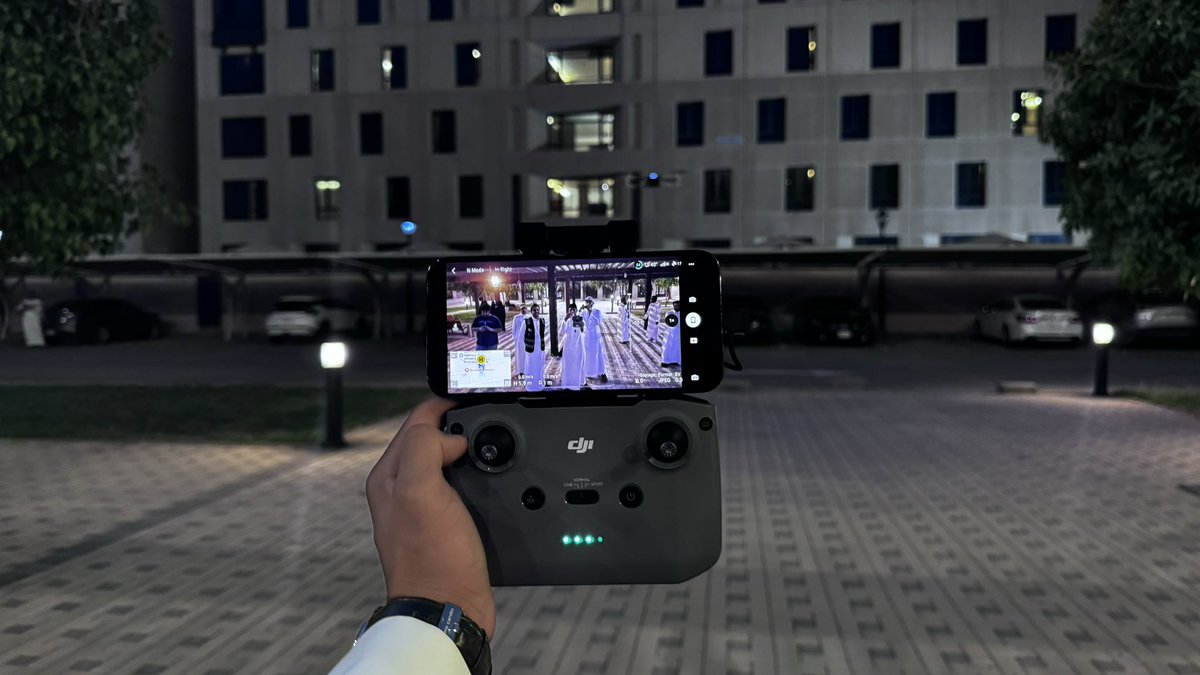
After completing the drone training camp delivered by DJI Academy in collaboration with SAFCSP and Tuwaiq Academy, I wanted to turn my notes into a simple beginner-friendly guide. This article summarizes the core concepts that helped me understand drone systems, their components, and the basic technical decisions involved in building or evaluating a drone.
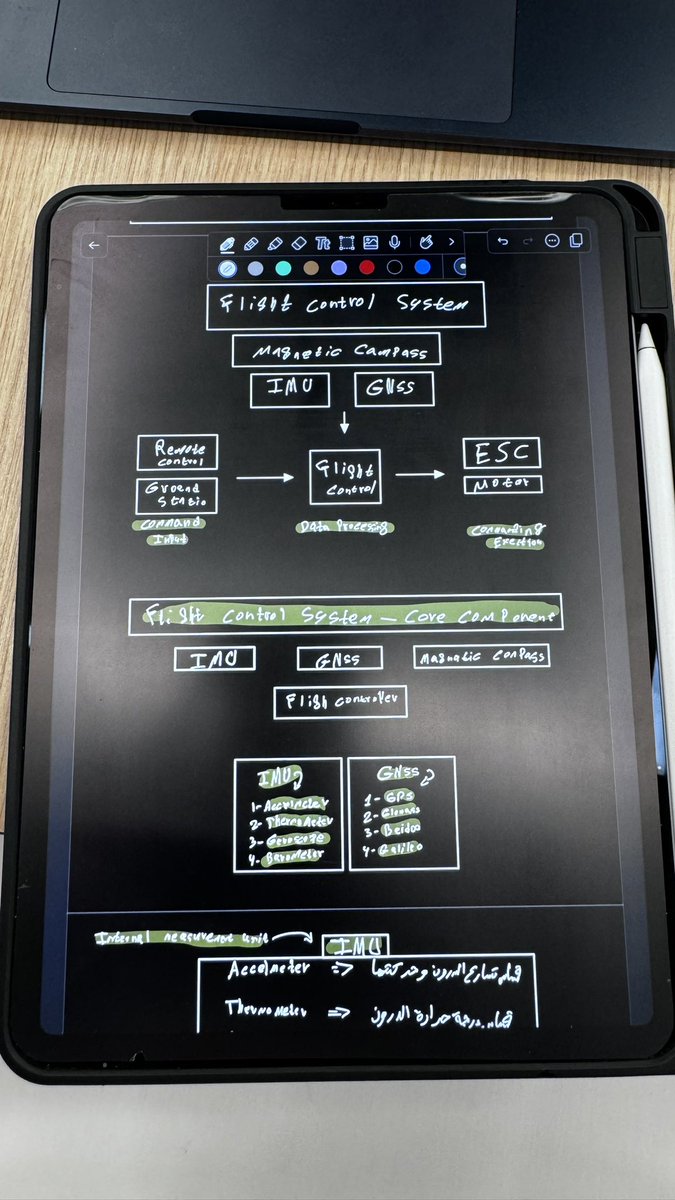
The camp focused mainly on DJI drones, including their advantages, limitations, and practical use cases. Since recording or sharing the official course material was not allowed, the content here is based on my previous hands-on experience in building drones, along with personal notes I wrote during the class and later redesigned into diagrams and visual explanations.


Drone, UAV, and UAS
Before going deeper into drone designs and components, it is important to understand three common terms used in this field:
- Drone: A general term for any unmanned vehicle.
- UAV: Unmanned Aerial Vehicle, which specifically refers to an unmanned aircraft.
- UAS: Unmanned Aircraft System, which refers to the complete aircraft system, including the drone, controller, sensors, and supporting systems.
The word drone does not always mean an aircraft. For example, an underwater unmanned vehicle can also be called a drone because it is still an unmanned vehicle.
A UAV refers specifically to an unmanned aircraft. It usually does not carry ammunition and is often used for monitoring, inspection, and observation. In some military and industrial contexts, UAVs are sometimes described as the “eyes in the sky.”
A UAS is broader than a UAV. It includes the aircraft itself, the remote controller, the monitoring system, sensors, communication links, and other supporting subsystems. In simple terms, UAS means the complete operating system around the unmanned aircraft.
Main Drone Airframe Types
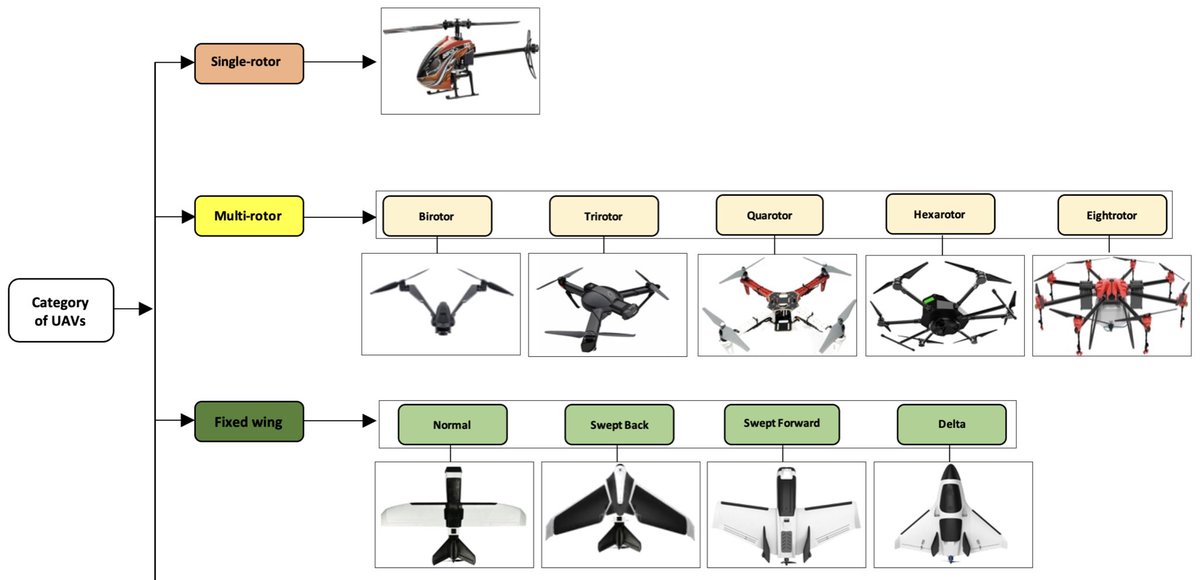
Drones come in different shapes and designs. Each design has advantages and limitations depending on the mission, payload, flight distance, stability requirements, and control complexity. The three common types covered here are:
- Multi-rotor drones
- Fixed-wing drones
- Single-rotor drones
Multi-Rotor Drones
A multi-rotor drone can have two, three, four, six, or eight motors. The most common design is the four-motor layout, known as a quadrotor or quadcopter.
Main advantages:
- Vertical takeoff and landing, which makes launching easier and faster.
- High maneuverability, especially around obstacles and in tight spaces.
- Better redundancy in some designs. For example, a hexacopter may continue flying after losing one motor, while an octocopter may tolerate the loss of two motors depending on the configuration.
Fixed-Wing Drones
Fixed-wing drones are usually closer to traditional aircraft designs. They are commonly used as UAVs for long distances, mapping, surveying, and missions that require extended flight time.
Main advantages:
- High flight speed.
- Ability to cover long distances.
Main limitations:
- More complex mechanical and aerodynamic design.
- Some designs require a runway or launch mechanism.
Single-Rotor Drones
A single-rotor drone is similar to a helicopter. It usually has one main rotor on top and another rotor at the tail to control direction and stabilize the aircraft.
Main advantages:
- More energy-efficient than some multi-rotor designs.
- Supports vertical takeoff and landing.
Main limitations:
- More difficult to control.
- Less flexible than multi-rotor drones in some environments.
Drone Frame Materials
After understanding the main drone types, the next important point is the material used to build the frame. Three common materials are used in drone frames:
- Plastic
- Metal
- Carbon fiber
Plastic
Advantages:
- Low cost.
- Lightweight.
Limitations:
- Easy to break.
- Can produce higher vibration.
Metal
Advantages:
- Can carry heavier loads.
- Harder to break.
Limitations:
- Heavy compared to other materials.
- Conducts heat.
Carbon Fiber
Advantages:
- Very lightweight.
- Very strong.
Limitation:
- Higher cost.
Drone Motors
Drone motors come in many sizes, shapes, and power ratings. Before selecting a motor, it is important to understand what the motor code means and how it relates to the drone frame and required thrust.
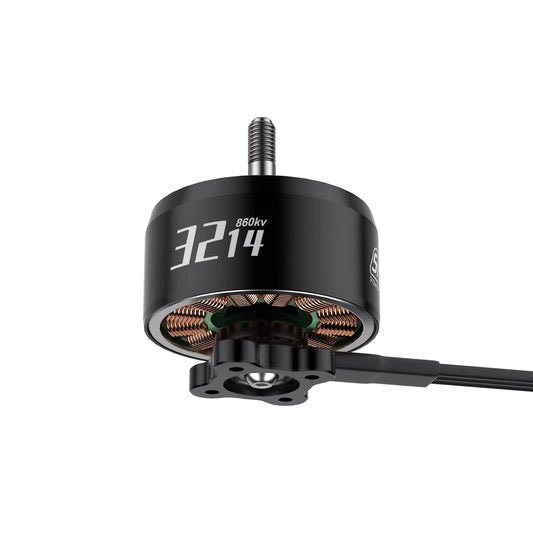
Most drone motors include four numbers. The first two numbers usually represent the motor diameter, while the last two numbers represent the motor height. In general, larger dimensions can support more power, but the correct choice depends on the drone frame, propeller size, payload, and mission requirements.
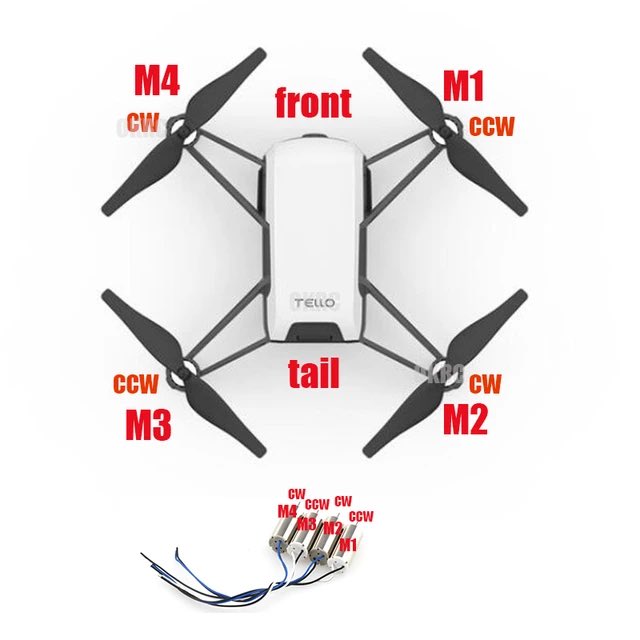
Motor direction is also important. Drone motors usually rotate in one of two directions:
- CW: Clockwise rotation.
- CCW: Counterclockwise rotation.
In a typical quadcopter layout, opposite motors rotate in the same direction to balance torque and keep the drone stable. For example, the top-right and bottom-left motors may rotate counterclockwise, while the top-left and bottom-right motors rotate clockwise. The propellers must match the motor direction.
Propellers
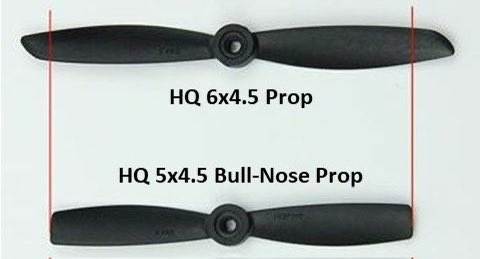
The propeller is one of the most important parts of the drone because it generates the lift needed for flight. A propeller code usually includes four numbers and one letter.
The first two numbers represent the propeller diameter. The second two numbers represent the blade pitch. The letter can indicate the number of blades or whether the propeller is foldable, depending on the manufacturer.
Electronic Speed Controller
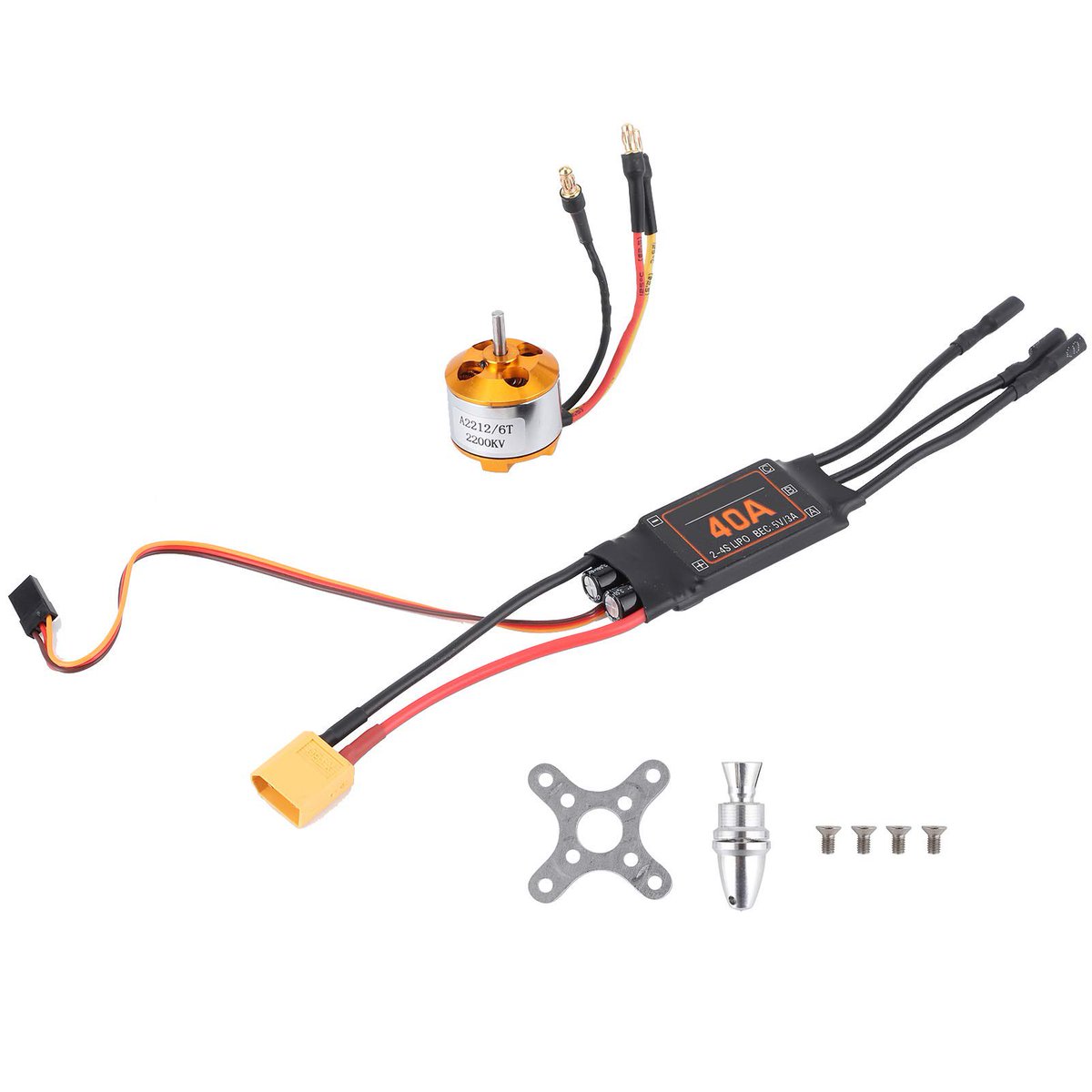
To control a drone motor, we need an ESC, which stands for Electronic Speed Controller. The ESC is connected to the motor and controls its speed and rotation behavior.
The motor and ESC work together as a control unit. In practical drone design, the motor cannot be controlled properly without an ESC, and the ESC is only useful when connected to a motor and controlled by the flight system.
Flight Controller
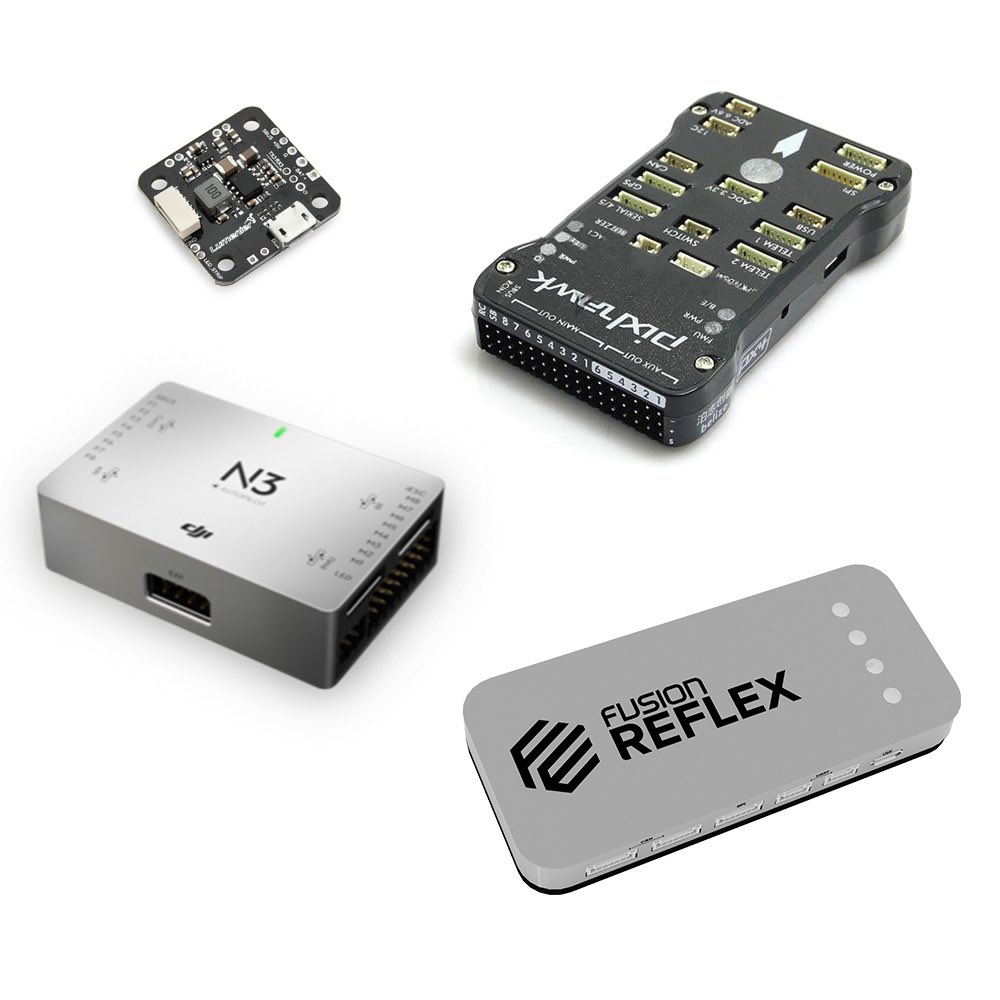
The flight controller is the brain of the drone. It is usually placed near the center of the frame and is responsible for collecting sensor data, processing flight behavior, and distributing control commands to the motors and other components.
Flight controllers come in many shapes and configurations, but their core function is the same: they connect the drone’s sensors, motors, ESCs, and communication systems into one controlled flight system.
Common Drone Sensors
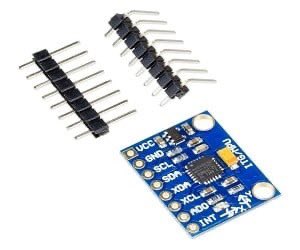
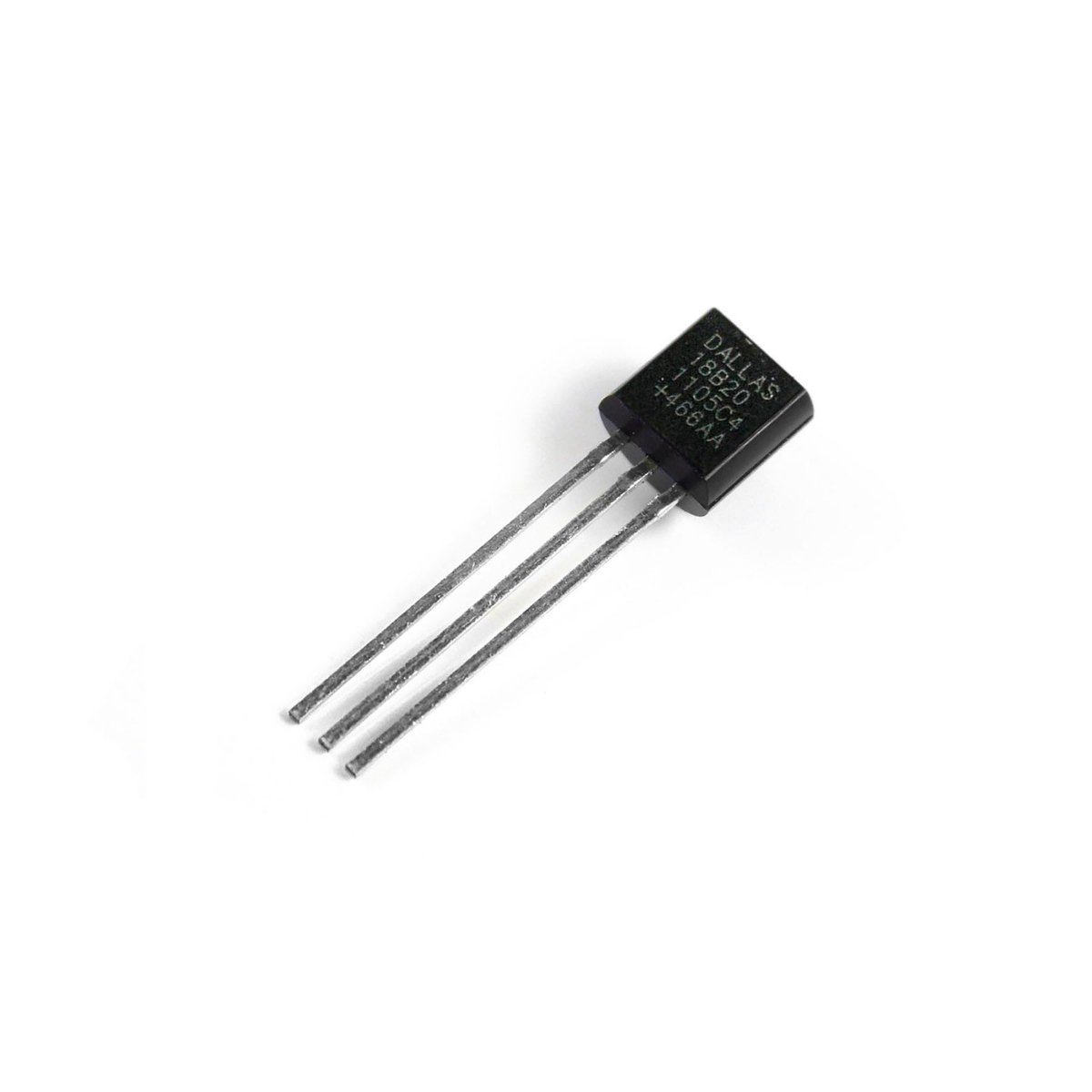
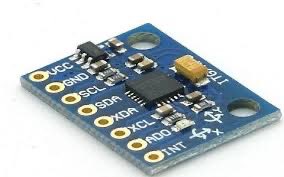
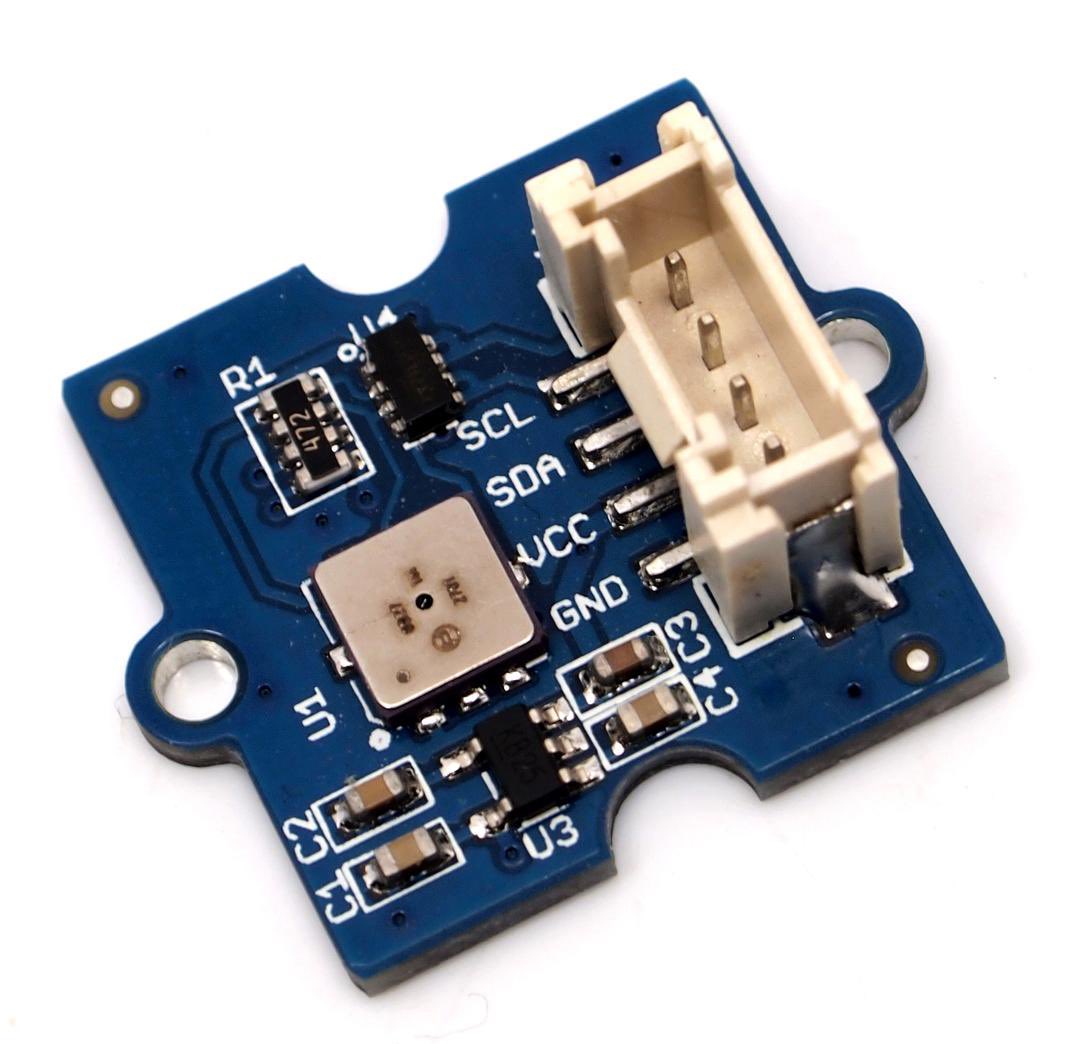
A drone depends on several sensors to understand its movement, orientation, altitude, and environmental conditions. Common sensors include:
- Accelerometer: Measures acceleration and helps detect movement changes.
- Thermometer: Measures temperature inside or around the drone system.
- Gyroscope: Measures orientation and rotation across the X, Y, and Z axes.
- Barometer: Measures air pressure and helps estimate altitude.
GNSS and GPS
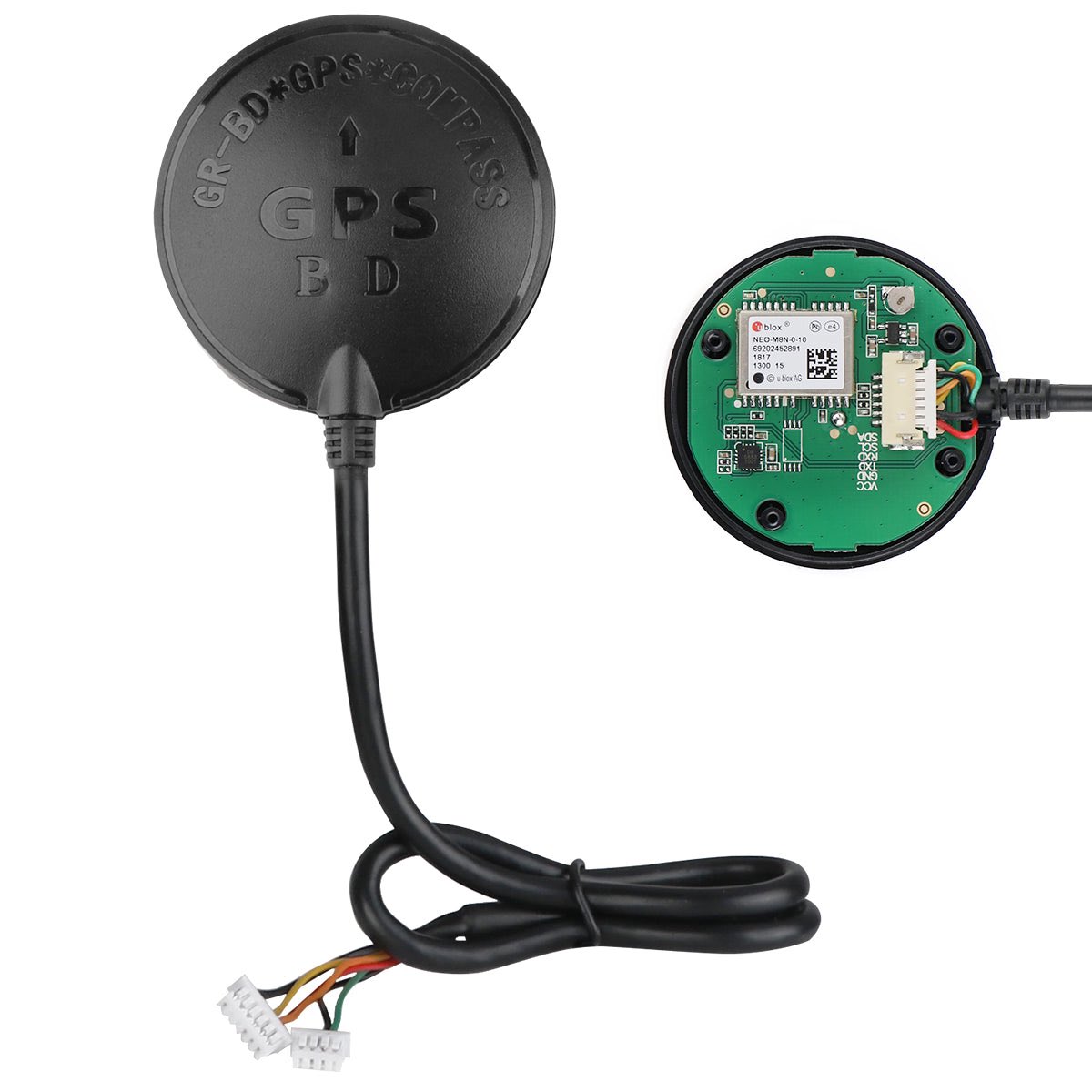
GNSS stands for Global Navigation Satellite System. It refers to satellite-based positioning systems used to help the drone determine its location.
There are several GNSS systems, but GPS is one of the most common and widely recognized. In many drone systems, a GPS module is used to support positioning, navigation, waypoint missions, and return-to-home functions.
Drone Communication Systems
The remote controller is one of the most important parts of the drone system because it handles the communication link between the pilot and the aircraft. Three common communication systems are:
- Wi-Fi
- Lightbridge
- OcuSync
Wi-Fi
Wi-Fi is usually limited to shorter distances. In many cases, it may support around 1 to 2 kilometers at best, depending on the environment, interference, and device capability. The connection can become unstable or lost at longer ranges.
Lightbridge
Lightbridge provides a more stable communication link compared to basic Wi-Fi systems. It can support longer distances, often around 4 to 5 kilometers depending on conditions.
OcuSync
OcuSync provides a stronger and more reliable connection, with better range and video transmission stability. In some supported systems, it can reach up to around 8 kilometers depending on the drone model and flight environment.
Conclusion
This article covered the main beginner concepts that can help someone start learning about drones: the difference between drone, UAV, and UAS; the main airframe types; frame materials; motors; propellers; ESCs; flight controllers; sensors; GNSS; and communication systems.
The goal is not to cover every advanced detail, but to provide a clear foundation that helps beginners know what to search for, compare, and study next based on their project goals and technical needs.
Thank you for reading.