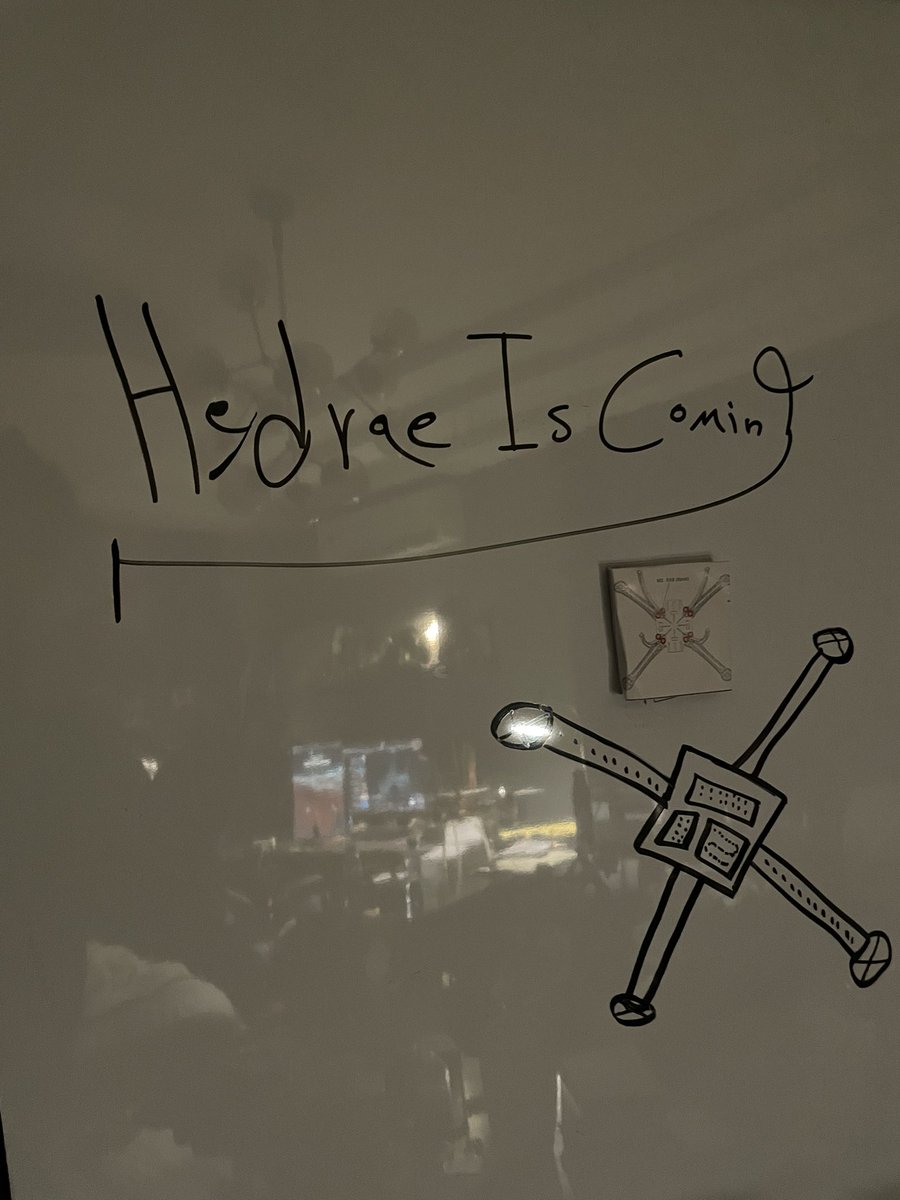
Hydrae is a personal drone project that I started as an open-source experiment.
The idea was to document the growth of the drone step by step, from the earliest parts and messy build stages to a more complete and functional prototype. I named it Hydrae, inspired by one of the stars in the sky.
This drone is not built around the idea that every part must perfectly match a fixed reference design. Instead, the goal is to experiment, modify, replace, and innovate. That is the spirit of open-source hardware.
The coming stages of the project include several improvements, technical modifications, and new experimental features.
Project Style and Documentation
I am not the best person at video editing, combining clips, or choosing music for build videos. However, I wanted the documentation to feel close to the actual experience of building Hydrae.
The music used in the original documentation was the same music I listened to while working on the drone. It became part of the build atmosphere.
Open-Source Hardware and Regulations
One important note about drone projects is that regulations matter.
If a complete drone is purchased or imported as a single ready unit, it may require specific approvals or licensing depending on the country and use case. However, individual parts may often be treated differently when purchased separately.
In all cases, flying a drone inside cities or populated areas should not be done without proper authorization and flight permission.
3D-Printed Hydrae Miniatures
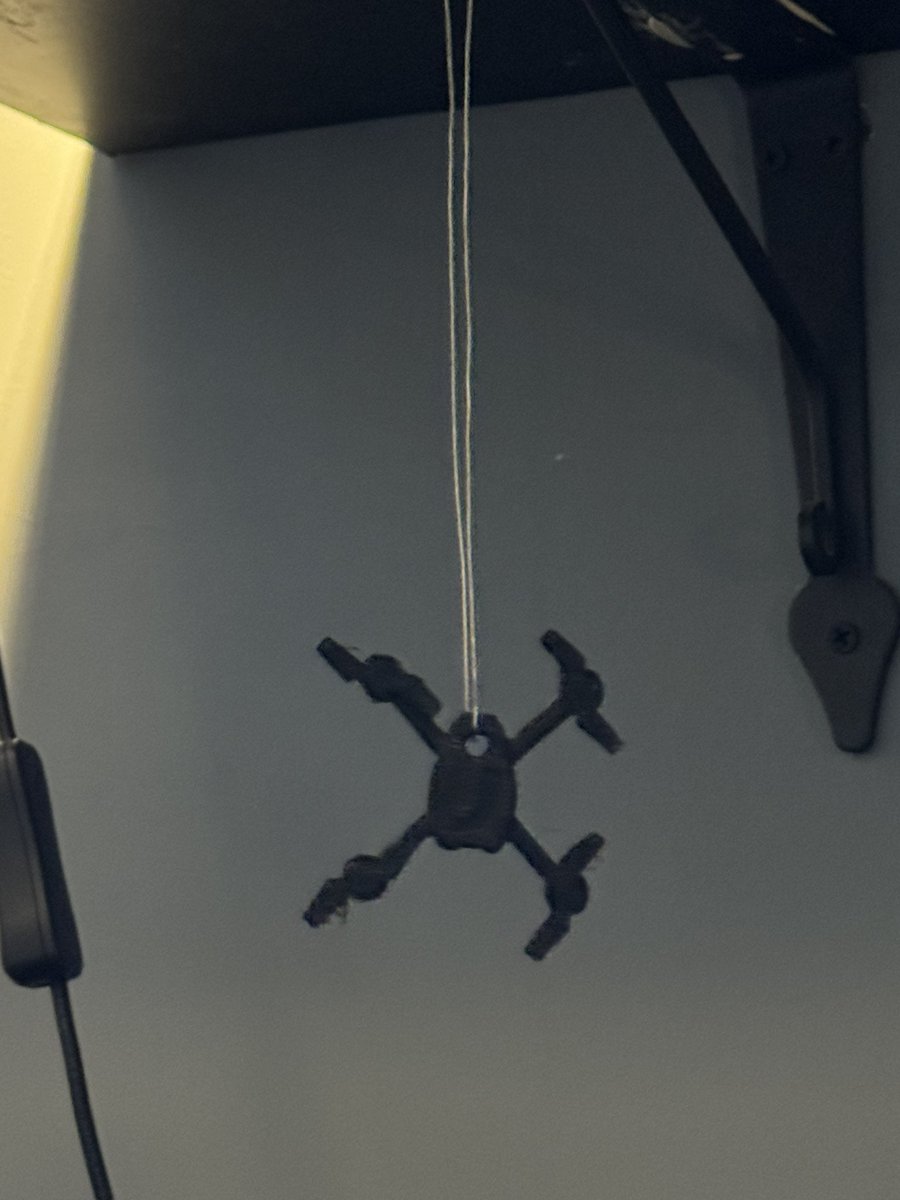
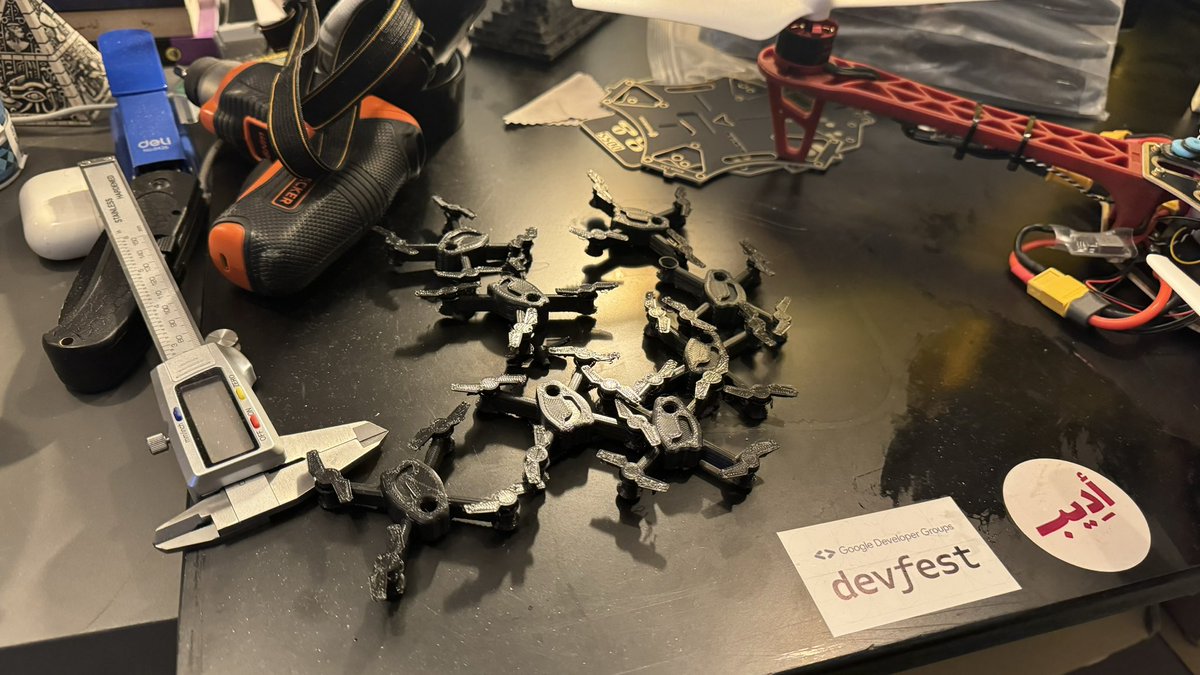
As part of the project experience, I designed and printed small black drone-shaped miniatures using a 3D printer.
I made nine pieces to distribute during the nearest event where I would showcase the Hydrae project. The idea was simple: create a small physical item connected to the project that people could keep, attach to something, or take as a small reminder of the build.
Frame Upgrade
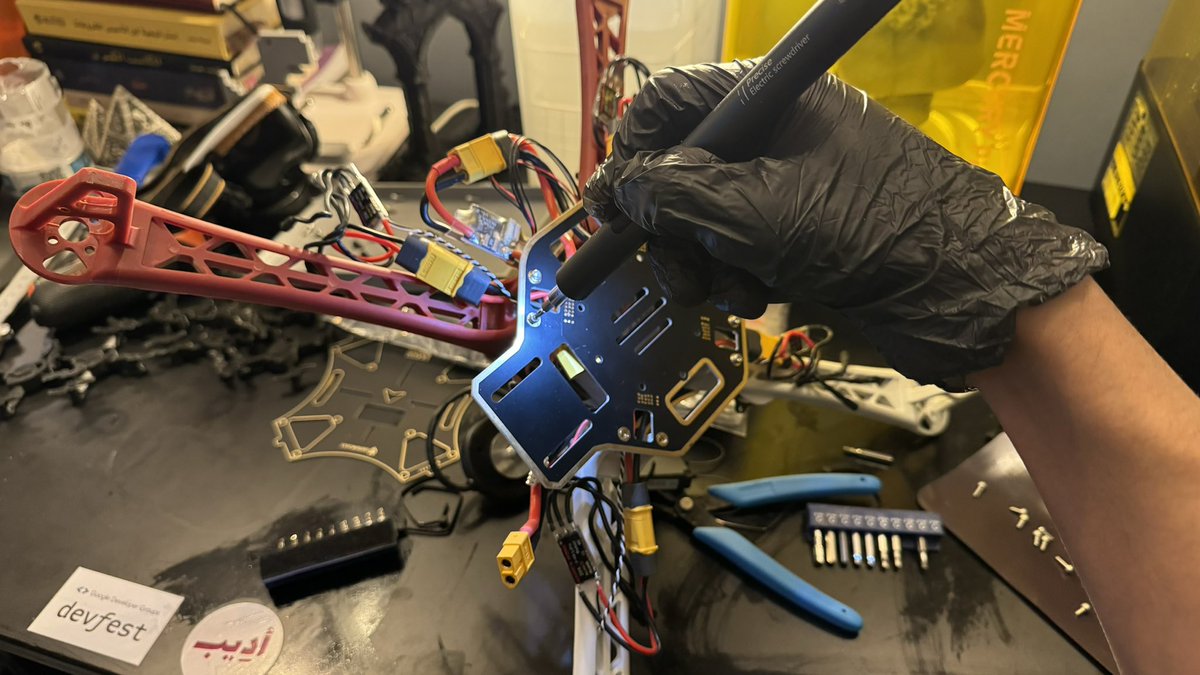
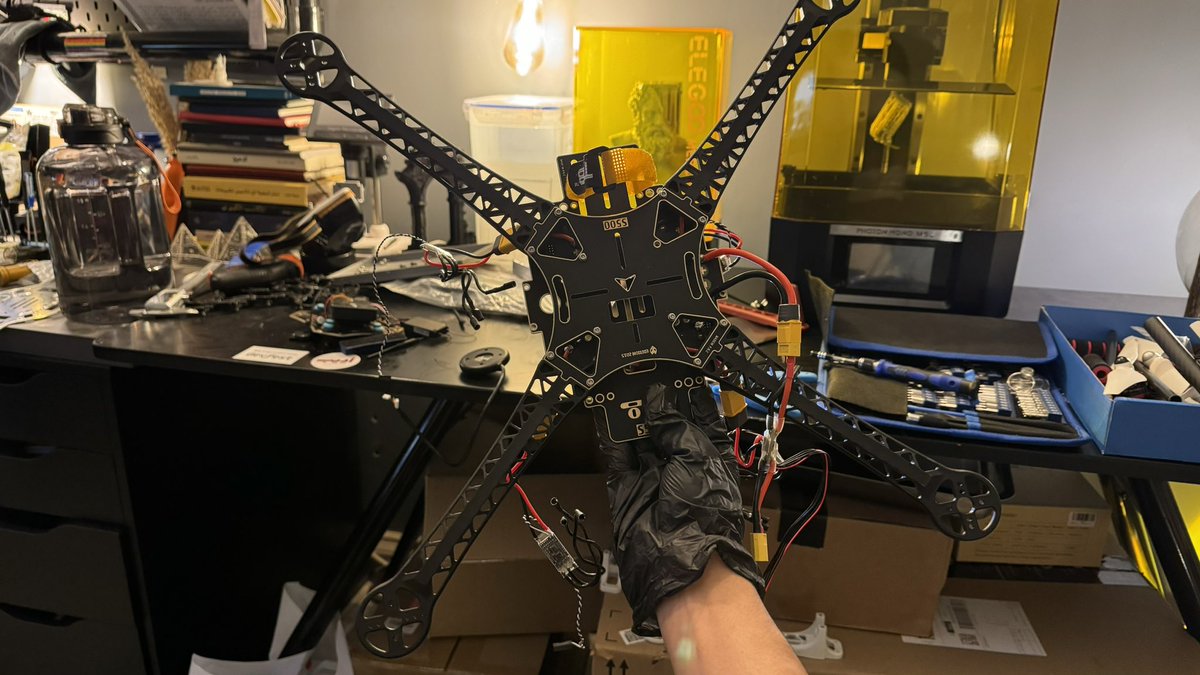
The next major update was replacing the old frame with a new one.
The new frame introduced several improvements:
- Lighter overall weight.
- Stronger and more stable landing legs.
- A camera stand that could be used in future experiments.
- More flexibility for future hardware modifications.
At this stage, the project started to feel more serious, but also more challenging. Every improvement opened the door to new problems and new design decisions.
Prototype Progress
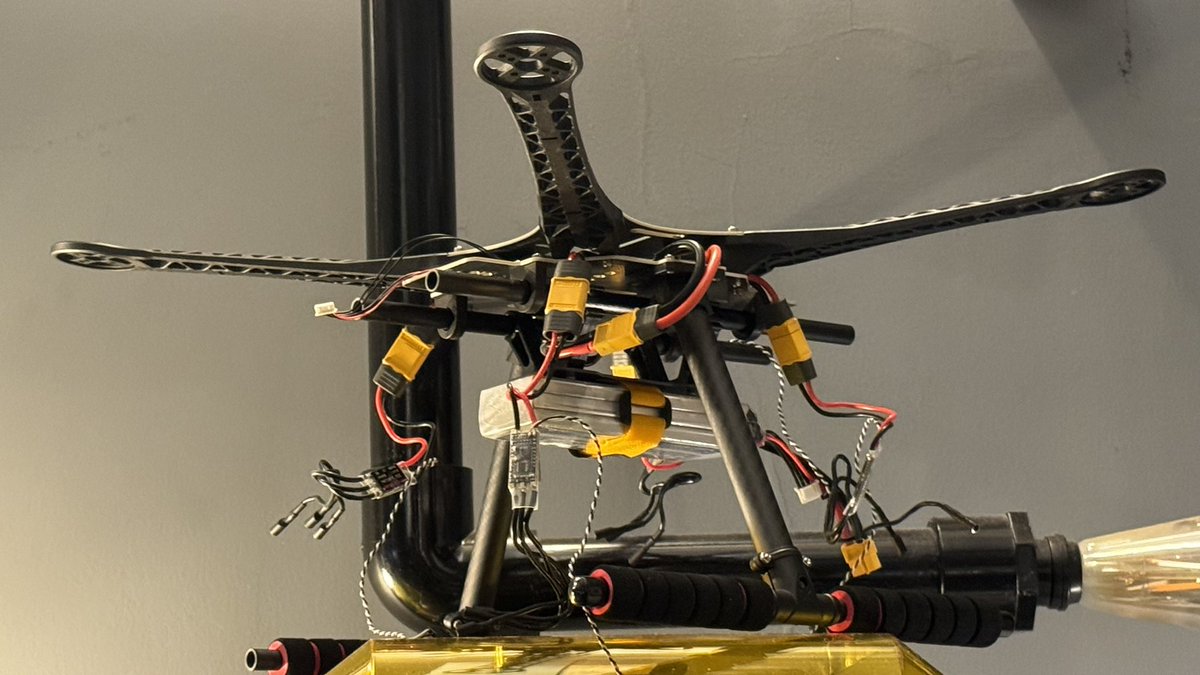
After the frame upgrade, the drone reached a more complete stage. At that point, the remaining tasks included installing the propellers, wiring and reconnecting the components, reprogramming the system, and installing the GPS module.
This stage represented around 75% completion of the physical build, but the software and testing side still required more work.
GoPro Camera Integration
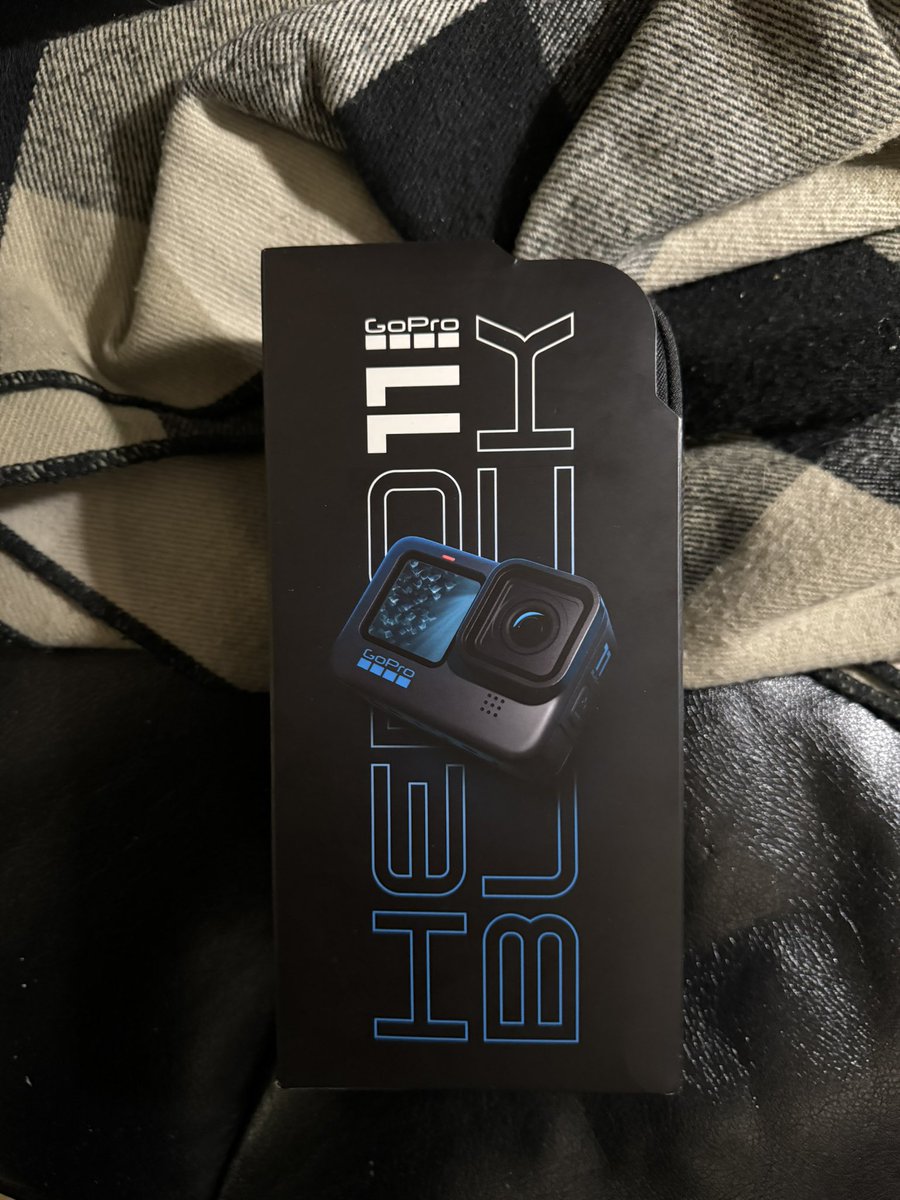
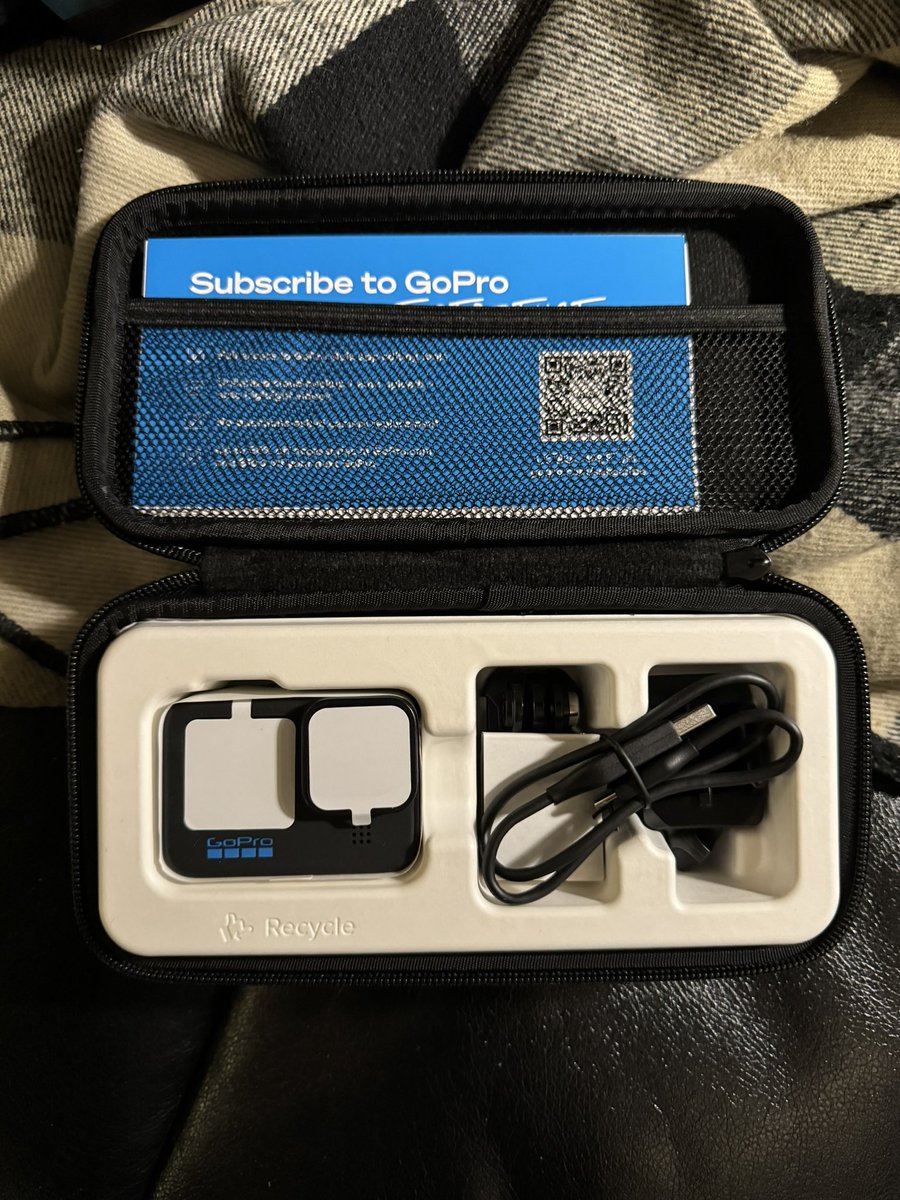
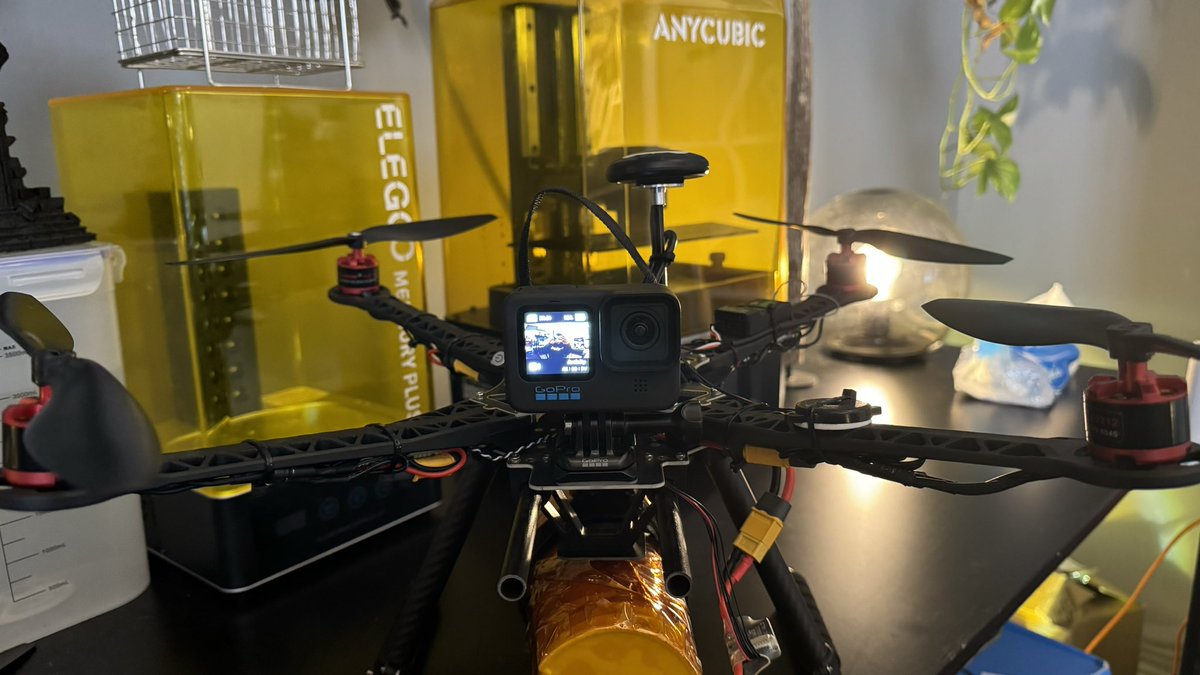
Another major update was adding a GoPro Hero 11 to the drone for video recording.
The camera was added to test aerial recording with up to 4K resolution and high frame-rate capability. The next goal was to explore connecting the camera system with a Raspberry Pi to support computer vision experiments.
The planned direction includes vision-based features such as face tracking, fire detection, and safety monitoring. These tasks can be easier with a regular Raspberry Pi camera or webcam, but integrating a GoPro requires more learning, testing, and research.
The first video test was recorded at 1080p, so the quality was not the final target. It was mainly used to understand the viewing angle and how the camera behaves when mounted on the drone.
Conclusion
Hydrae is more than a drone build. It is a practical learning journey in open-source hardware, drone assembly, 3D printing, camera integration, and experimental system design.
The project is still evolving, and each modification adds a new lesson. Some changes improve the design immediately, while others reveal new problems that need to be solved.
That is the value of building prototypes: the project grows through testing, failure, modification, and continuous improvement.