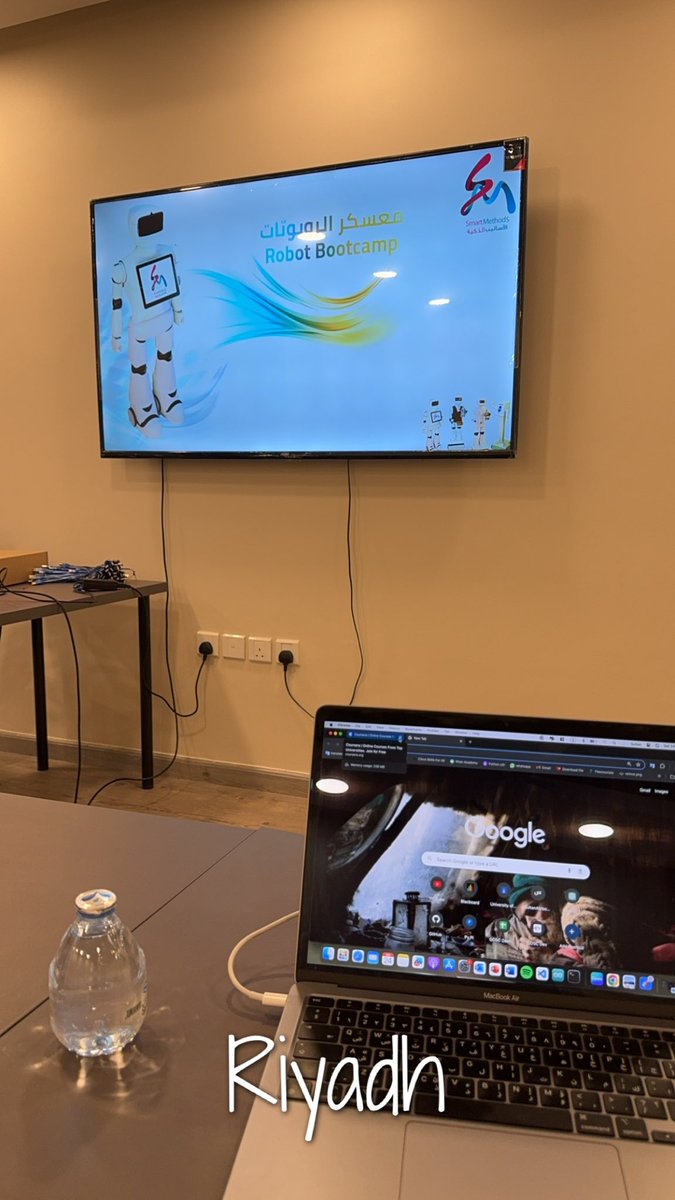
This article documents my experience in a six-day intensive robotics bootcamp delivered by Smart Methods. The program combined robotics, microcontrollers, 3D design, electronics, IoT control, mechanical assembly, and practical teamwork.
The goal was not only to learn robotics concepts in theory, but to apply them through hands-on exercises and a complete robot-building experience.
About Smart Methods
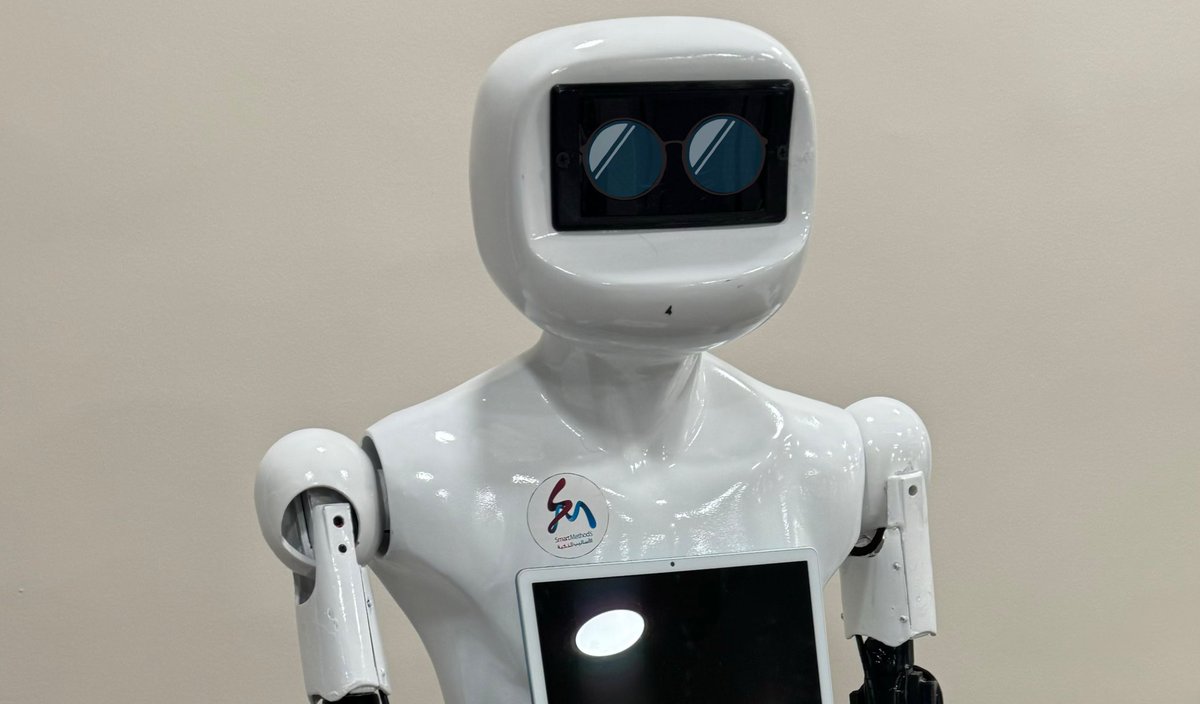
Before going into the daily experience, it is worth introducing the organization behind the bootcamp. Smart Methods is a Saudi company specialized in robotics and artificial intelligence, with a strong focus on practical technology solutions and technical education.
The bootcamp was designed as a six-day robotics program with a total of 30 training hours. Each day focused on a different technical area and gradually moved from basic concepts to hands-on robot assembly and control.
Day 1: Microcontrollers, Servo Motors, and IoT Control
The first day introduced the main tools and concepts that would be used throughout the bootcamp.
The main topics were:
- Microcontroller programming using Arduino and ESP32.
- Basic motor control using servo motors.
- Controlling a robot through IoT using the ESP32.
The day was mainly introductory. The trainer used it to explain the overall direction of the bootcamp, understand the participants' interests, and build a comfortable learning environment before moving into the practical work.
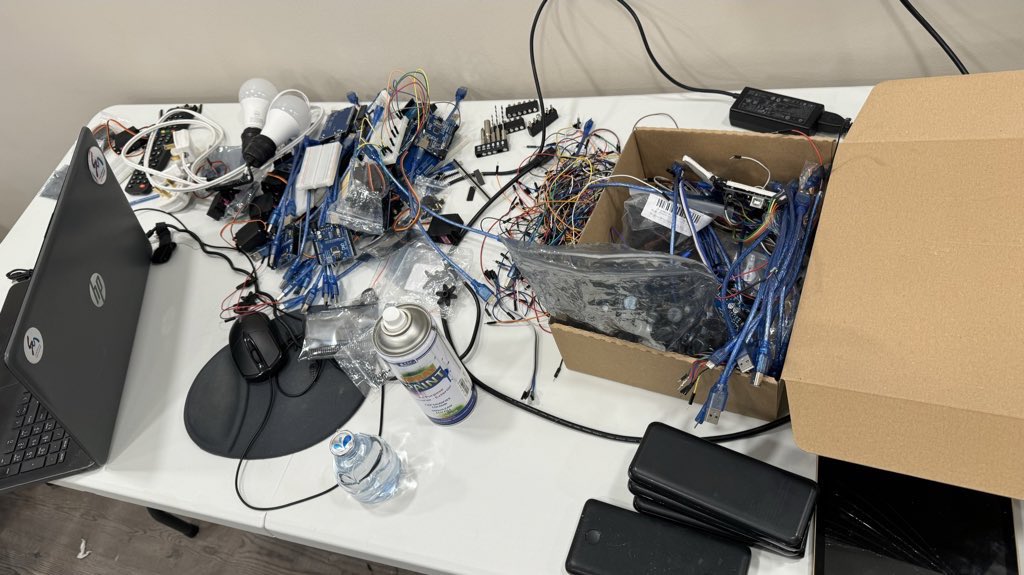
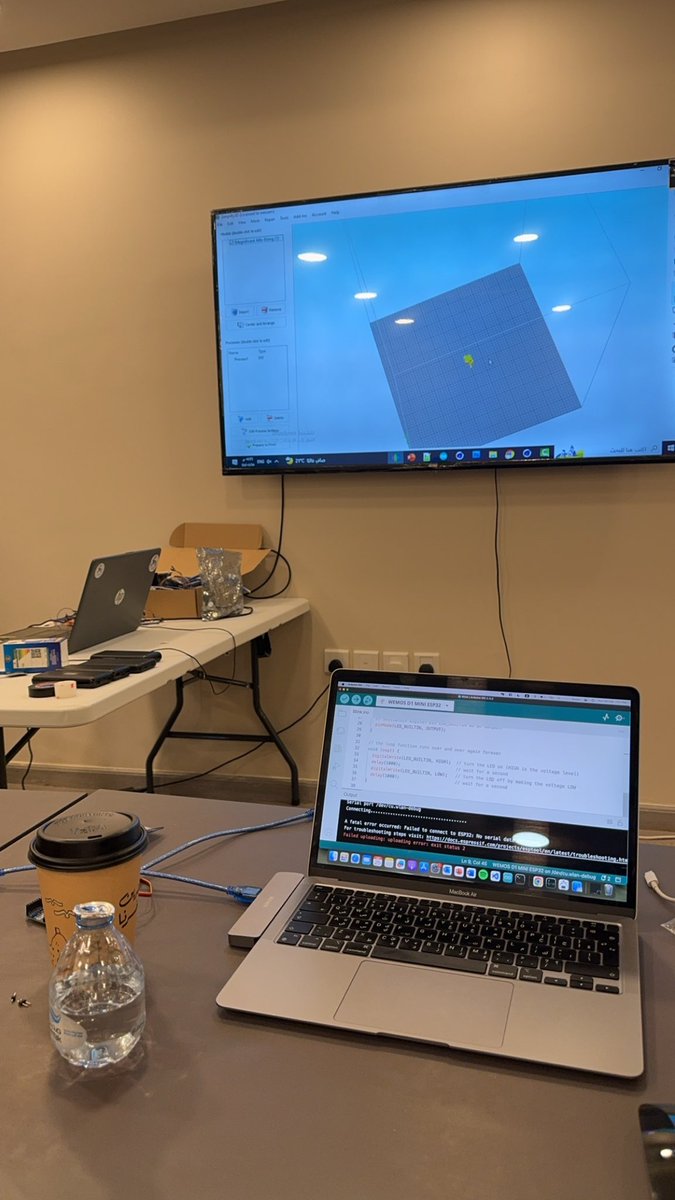
The practical output of the day was using an Arduino Uno with the Arduino IDE and running ready-made examples to help participants understand how the board works and how code is uploaded to the microcontroller.
Day 2: Mechanical Design and 3D Printing
The second day focused on the mechanical side of robotics.
The main topics were:
- Mechanical design for robots.
- 3D printing fundamentals.
- Designing robot joints and simple mechanical parts.
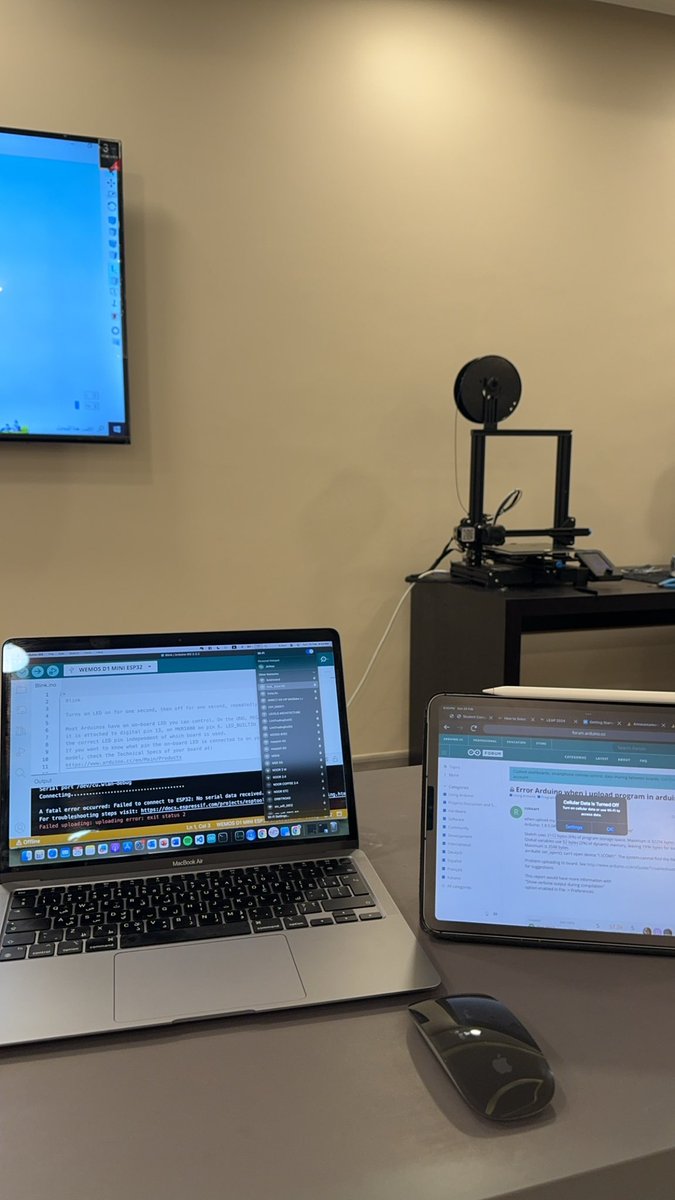
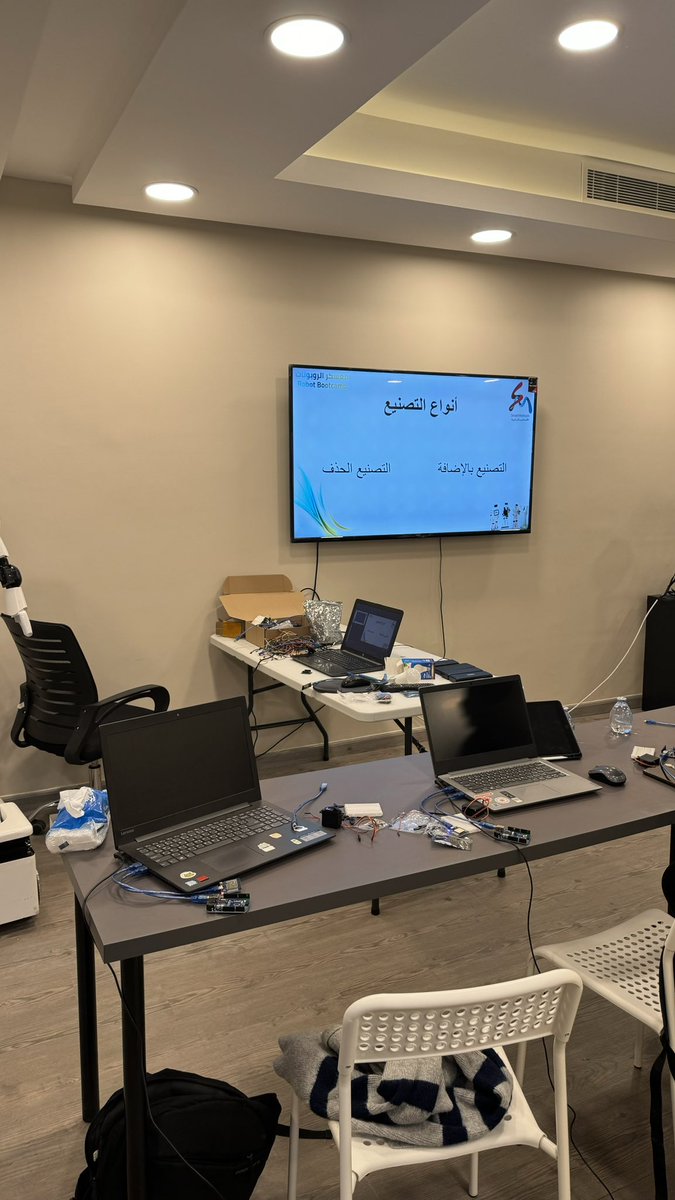
This day combined theory and practice. The first part explained how 3D printers work, the differences between common printing methods, and how printed parts can be used in robotics. The practical part focused on using Tinkercad, where participants designed simple models and prepared them for printing.
By the end of the day, participants had a clearer understanding of 3D design and digital fabrication, and each participant produced a small printed model.
Day 3: Electronics, Relays, and IoT Home Control
The third day moved into electronics and connected control systems.
The main topics were:
- Electronic circuits.
- Controlling home devices.
- Using voice commands as part of a control interface.
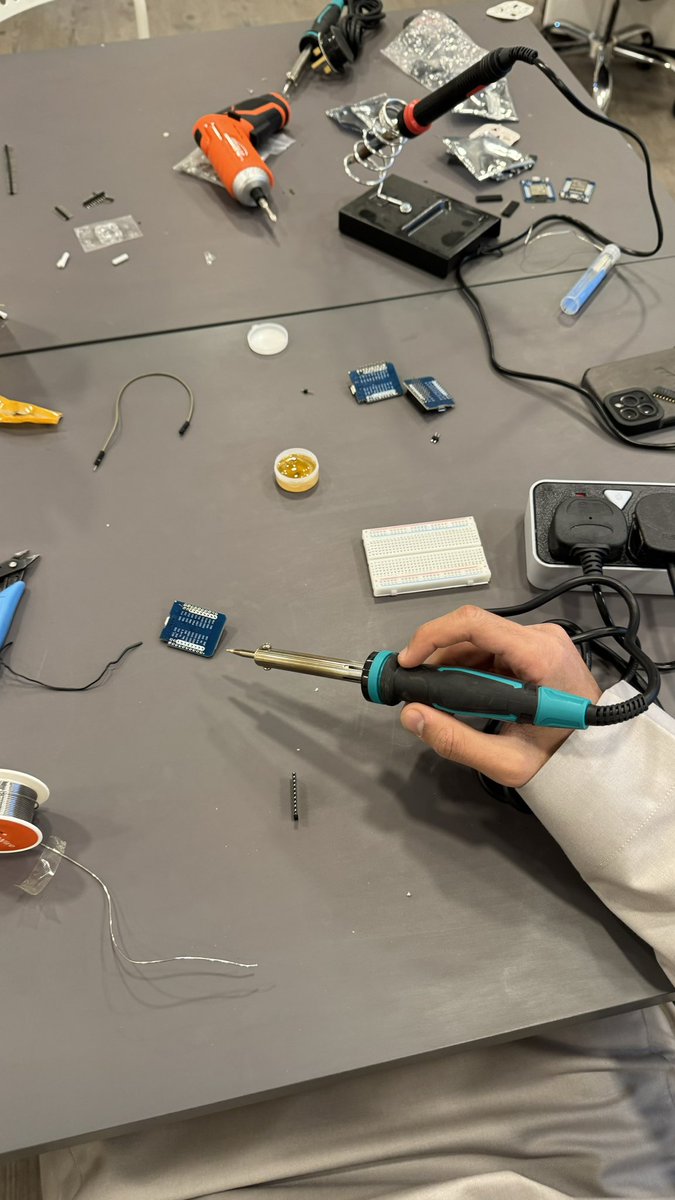
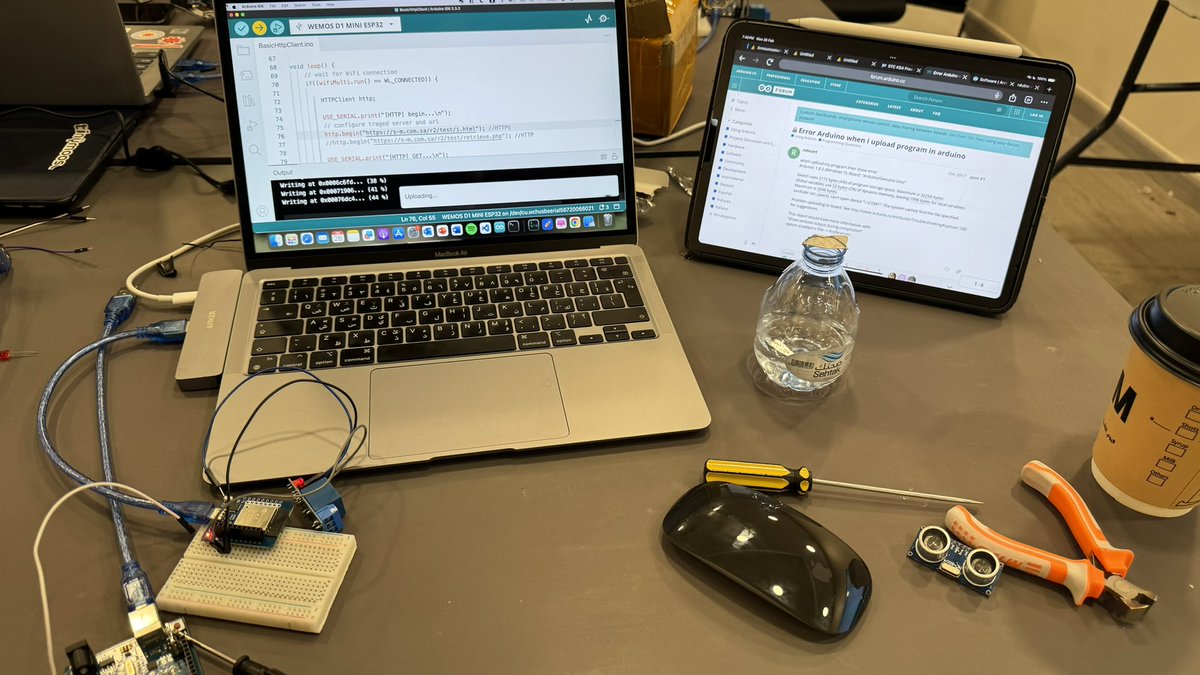
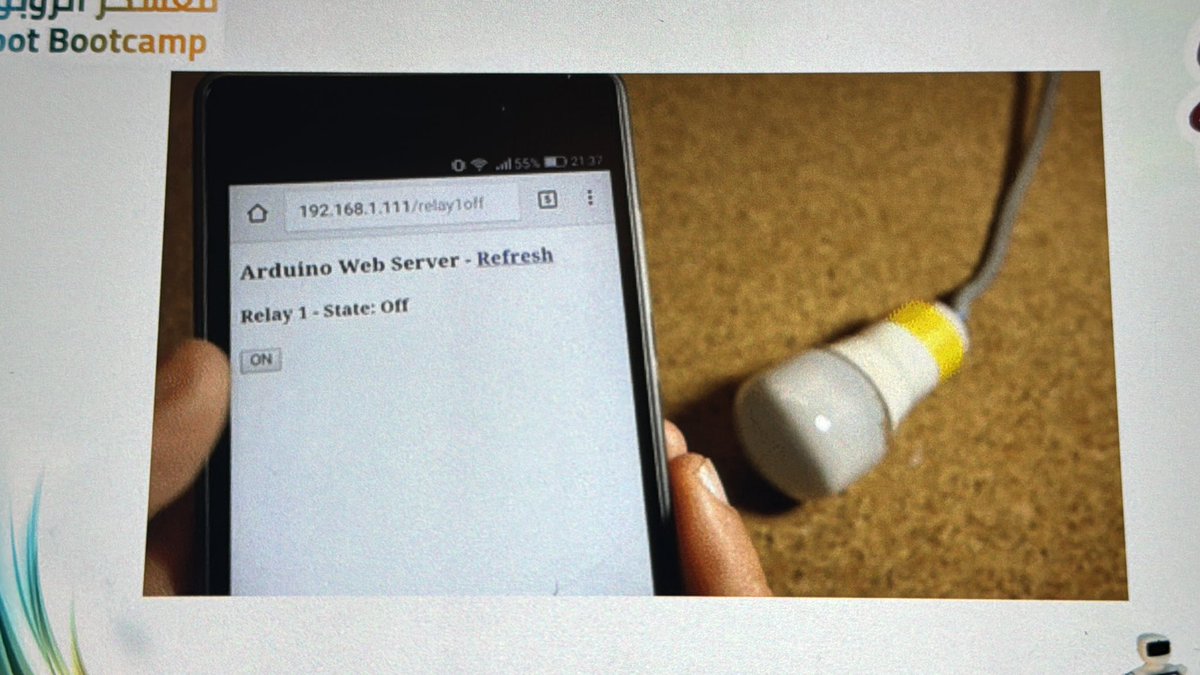
The practical work focused on the ESP32 and relay control. The relay was used to switch an external lamp, while the ESP32 connected to the internet and received commands through an API. The trainer also demonstrated a simple voice-based interface where commands such as open and close could be converted into control values and sent to the ESP32.
This exercise was a clear IoT example: a physical device connected to the internet, receiving digital commands, and controlling a real-world electrical load.
The main outcomes were understanding how a relay works, how it connects with the ESP32, and how APIs can be used to control hardware remotely.
Day 4: Building the Tito Robot
On the fourth day, the plan changed into a more practical robot-building session.
The main activities were:
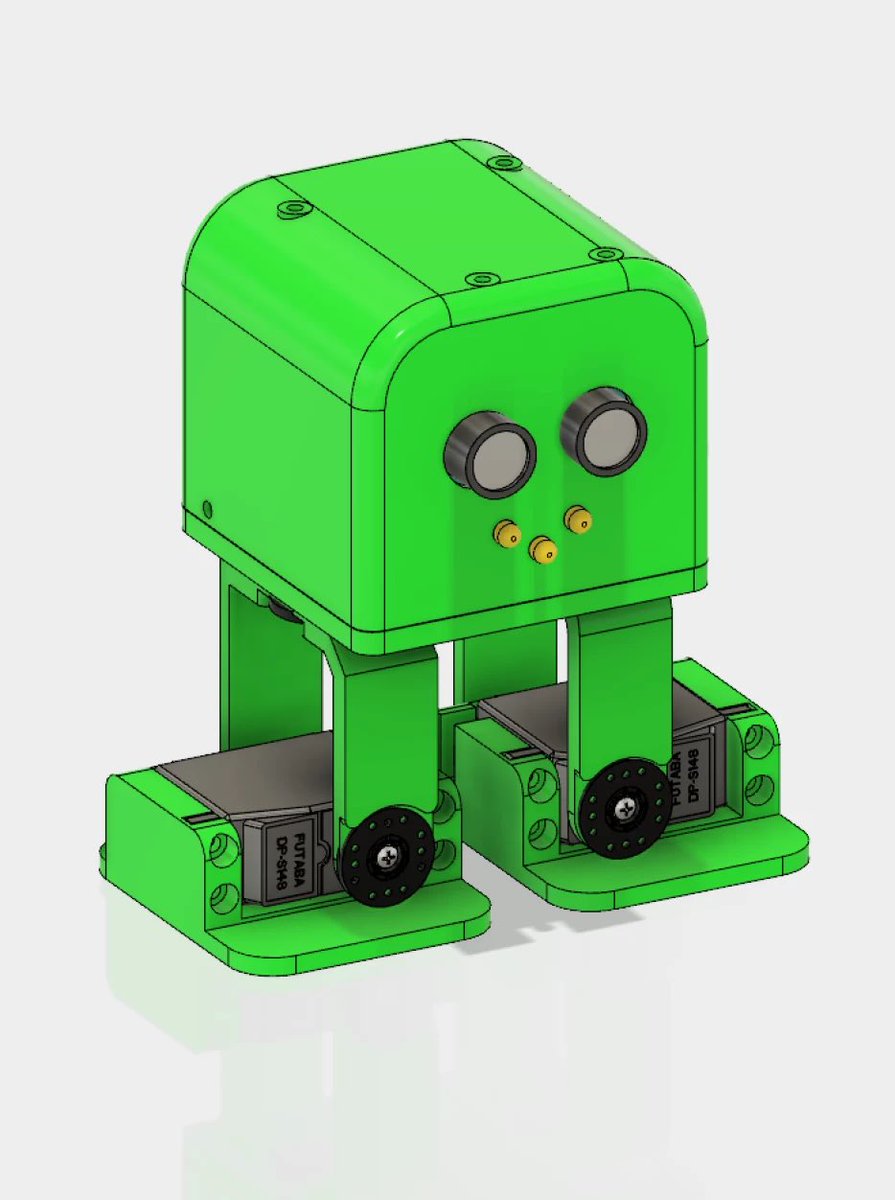
- Distributing 3D printed Tito Robot parts to each team.
- Providing four servo motors for each team.
- Assembling the robot and programming the motors.
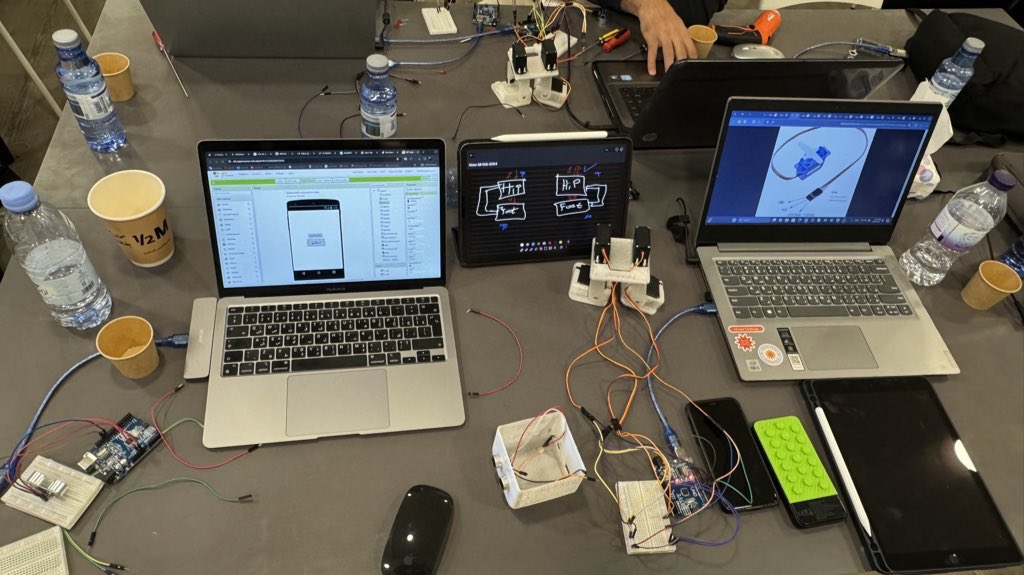
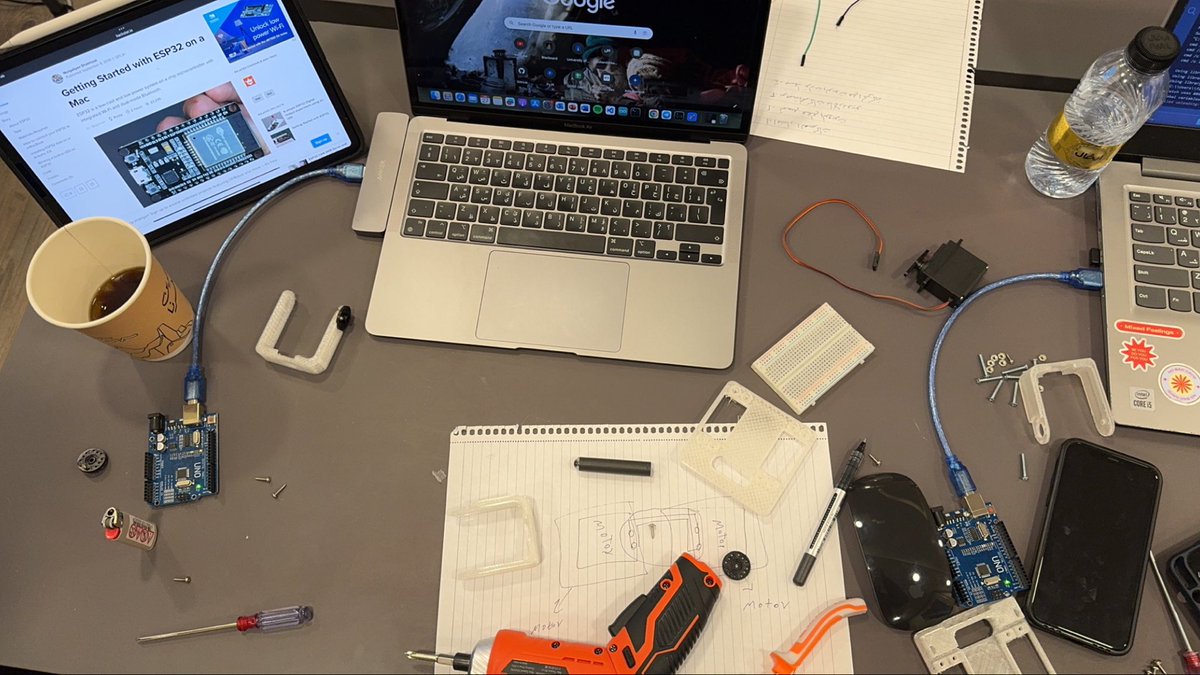
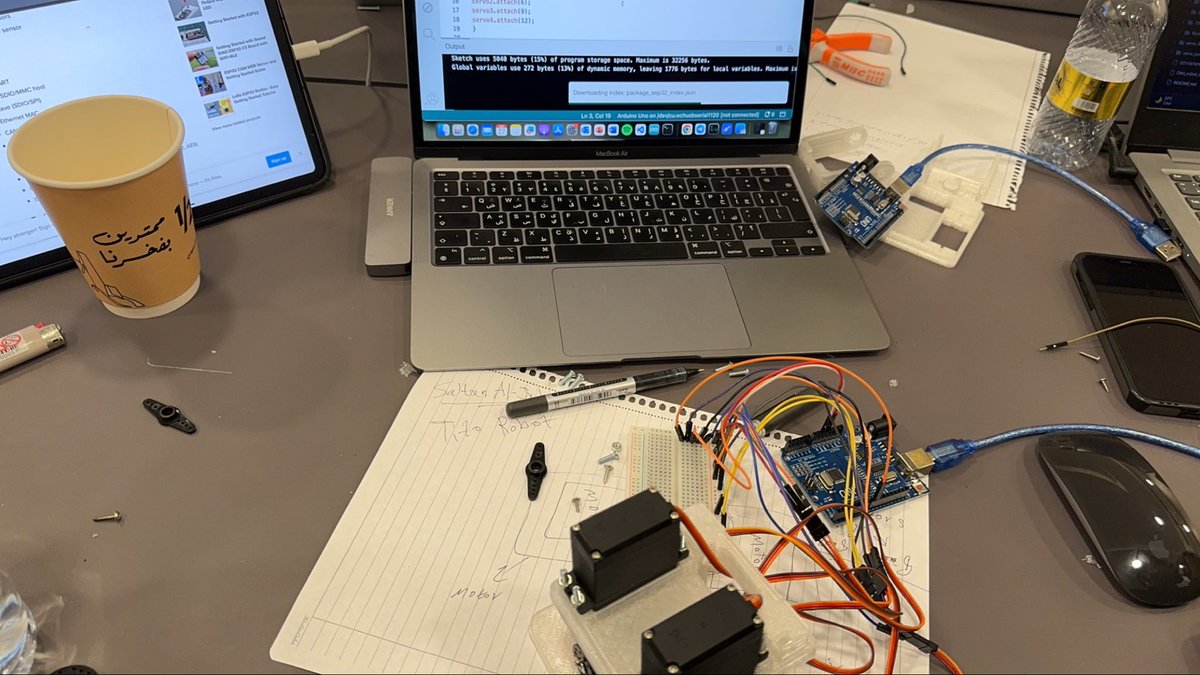
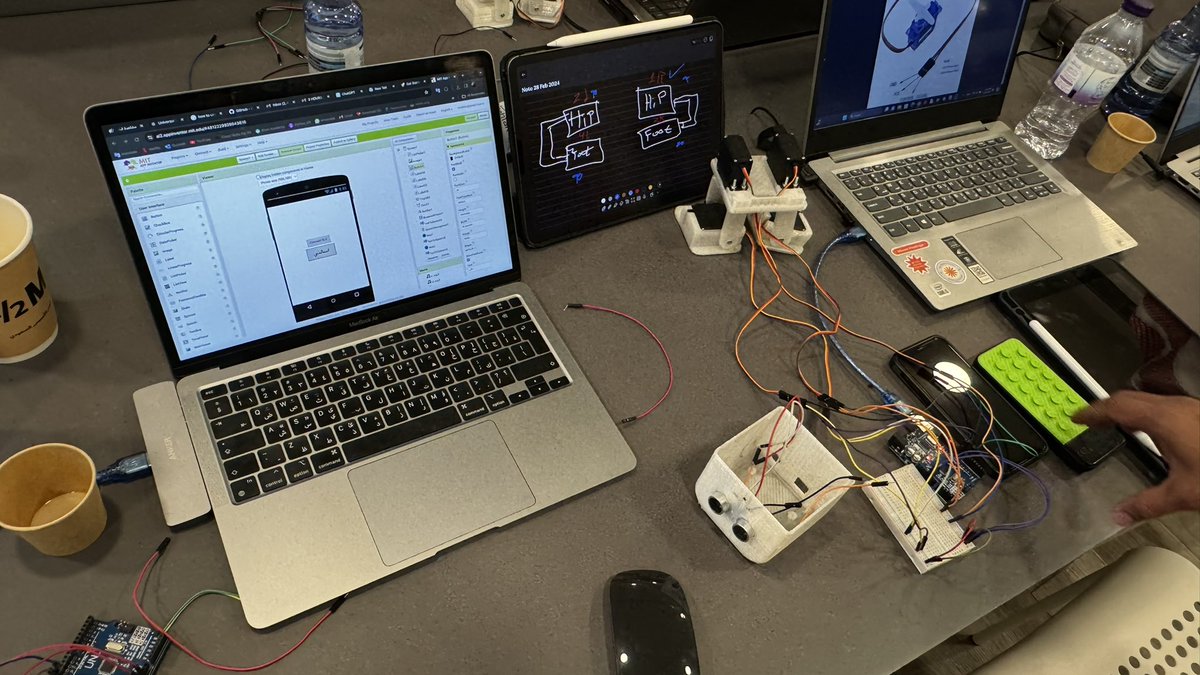
The purpose of this day was to bring together the previous topics into one practical project. Teams assembled the robot structure, connected the wiring, tested motor angles, programmed movement, and added a distance sensor to help the robot stop and move correctly.
The strongest outcome was that participants started to understand how servo motors behave in a real robot, not just as isolated components. They also gained confidence in assembling, wiring, and debugging a small robotic system with minimal trainer intervention.
Day 5: Completing the Robot and Introducing Chatbots
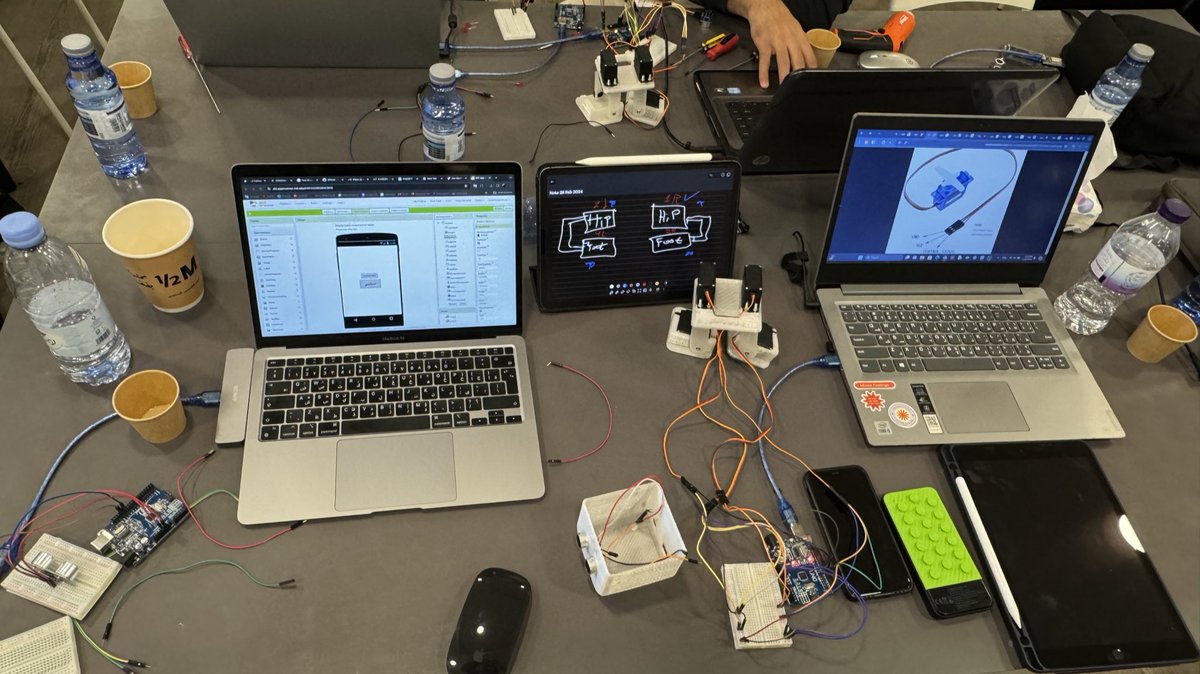
The fifth day focused on completing the Tito Robot project and introducing the concept of chatbots.
The main topics were:
- Completing the remaining robot assembly and testing.
- Understanding how chatbots can be connected to robotic systems.
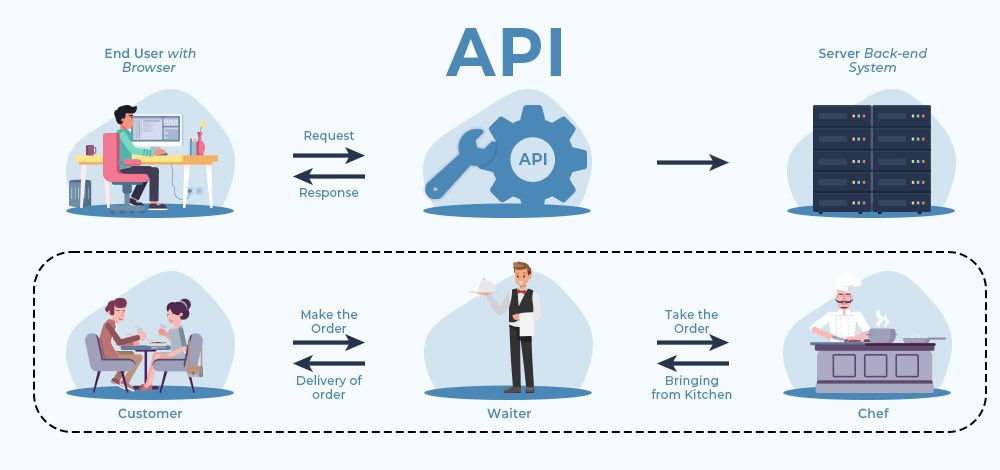
- Introducing the API concept as a bridge between software interfaces and hardware behavior.
The chatbot concept was explained through a simple interaction flow:
User → Interface → Speech to Text → Conversation Services → Text to Speech
Although there was not enough time to fully implement the full example, the session helped explain how software services can interact with hardware systems through APIs.
The key outcomes were completing the robots, understanding the role of APIs, and learning how chatbot systems can be used as a control or interaction layer in robotics projects.
Day 6: Final Review and Recognition
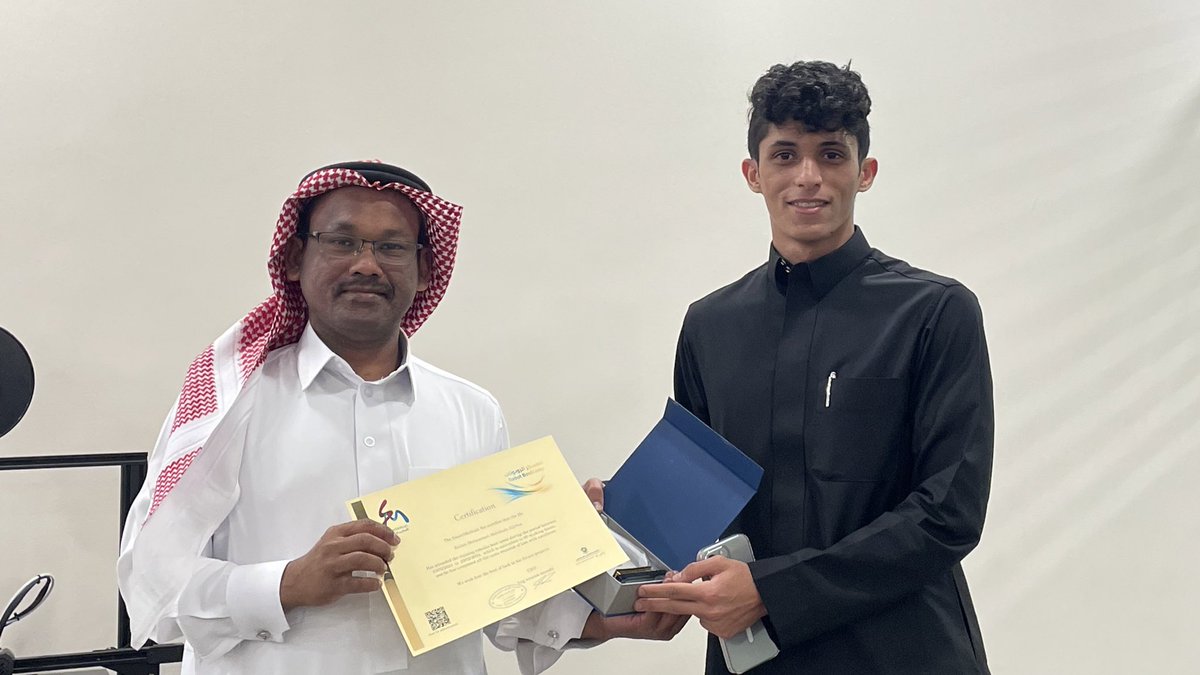
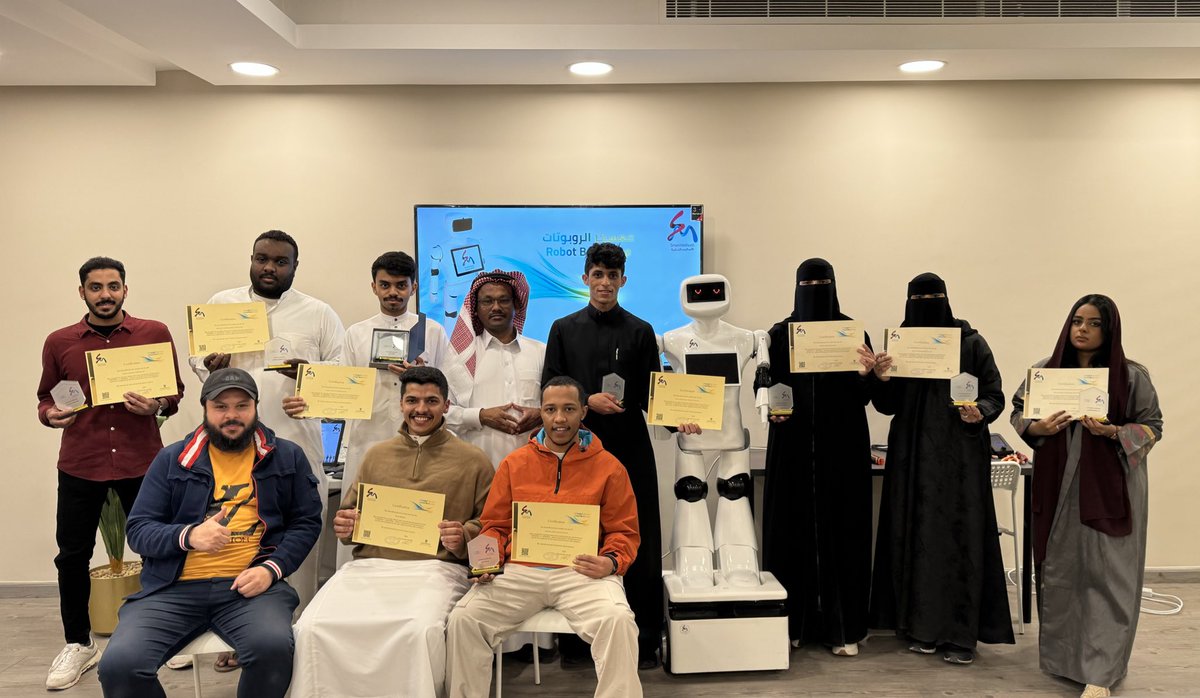
The final day was calmer than the previous days. It focused on completing remaining tasks, answering participants' questions, and closing the bootcamp with recognition and group photos.
There was no major new technical task on the last day. Instead, it was a chance to review the work, reflect on the learning experience, and appreciate the effort of the trainers and participants.
Final Thoughts
This bootcamp was valuable because it connected multiple areas of robotics into one learning path: microcontrollers, electronics, IoT, mechanical design, 3D printing, servo motors, sensors, APIs, and robot assembly.
The strongest part of the experience was the hands-on structure. Instead of only explaining concepts, the bootcamp pushed participants to build, wire, test, and troubleshoot real hardware.
By the end of the six days, the experience provided a practical foundation for anyone interested in entering robotics or developing small embedded and IoT-based robotic systems.