During three days at LEAP 2024, I collected a wide range of observations from booths, companies, prototypes, and technical showcases. Most of what caught my attention was related to hardware, IoT, robotics, drones, manufacturing, and emerging technologies.
This article is a structured recap of those notes, rewritten from the original X thread into a cleaner blog format for easier reading.

Day 1: Robotics, Drones, and Technical Connections
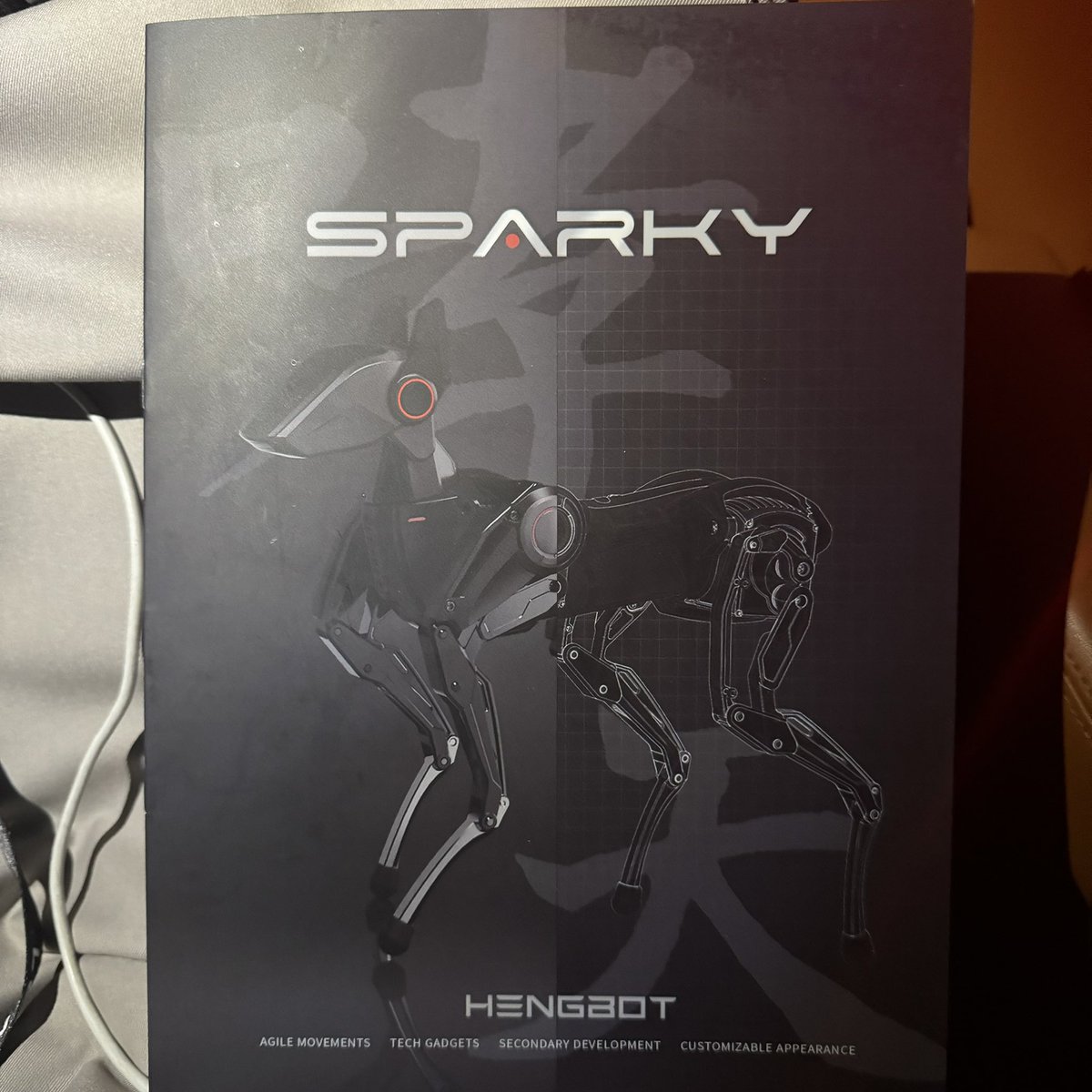
I arrived around 5:00 PM, but I was still able to visit several companies that were directly aligned with my technical interests. One of the most valuable moments was meeting a Chinese robotics manufacturing company working on advanced robotics platforms.
After a discussion and exchanging business cards, they offered to send a demo of the robot shown in the videos. The platform is open source, which makes it interesting for experimentation, modification, and future development.
For me, this was one of the most exciting technical opportunities from the first day of the conference.
DJI and the Future of Drone Piloting
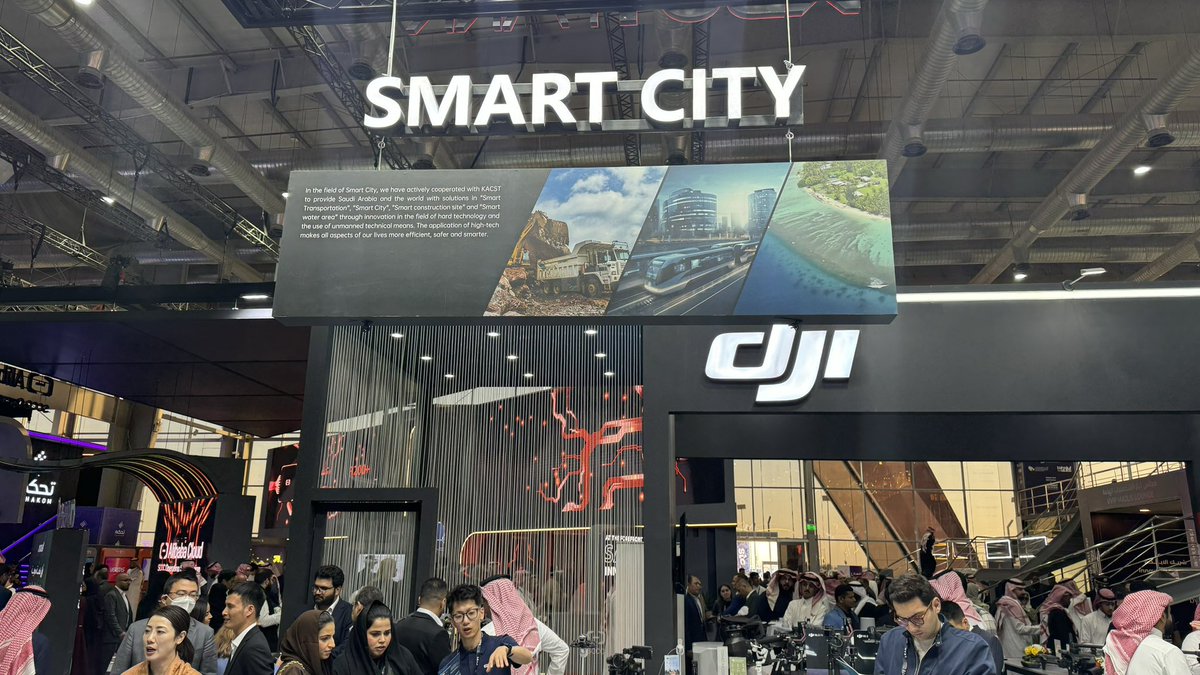
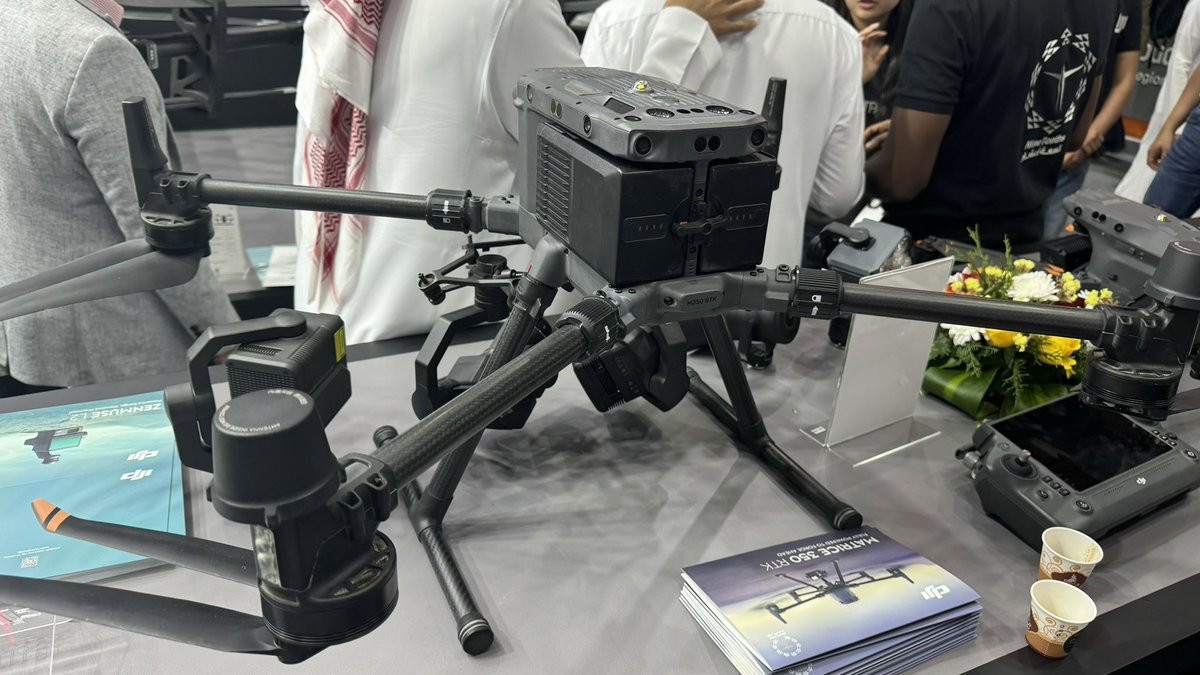
Another important stop was the DJI booth. Their products and demonstrations were impressive, although the pricing was not the most attractive part.
I had a long discussion with a representative named Nayef about the future of drones in Saudi Arabia. The conversation covered drone operation, training, licensing, and possible drone pilot opportunities in NEOM.
The general path discussed was simple: pass the drone license test, apply through the company, receive training, and then work as a drone pilot. It was a useful conversation for anyone interested in entering the drone field professionally.
Drone Club and Tuwaiq Drone Tracks
After visiting DJI, I stopped by the Saudi Federation for Cybersecurity, Programming and Drones area, where the Drone Club had a booth.
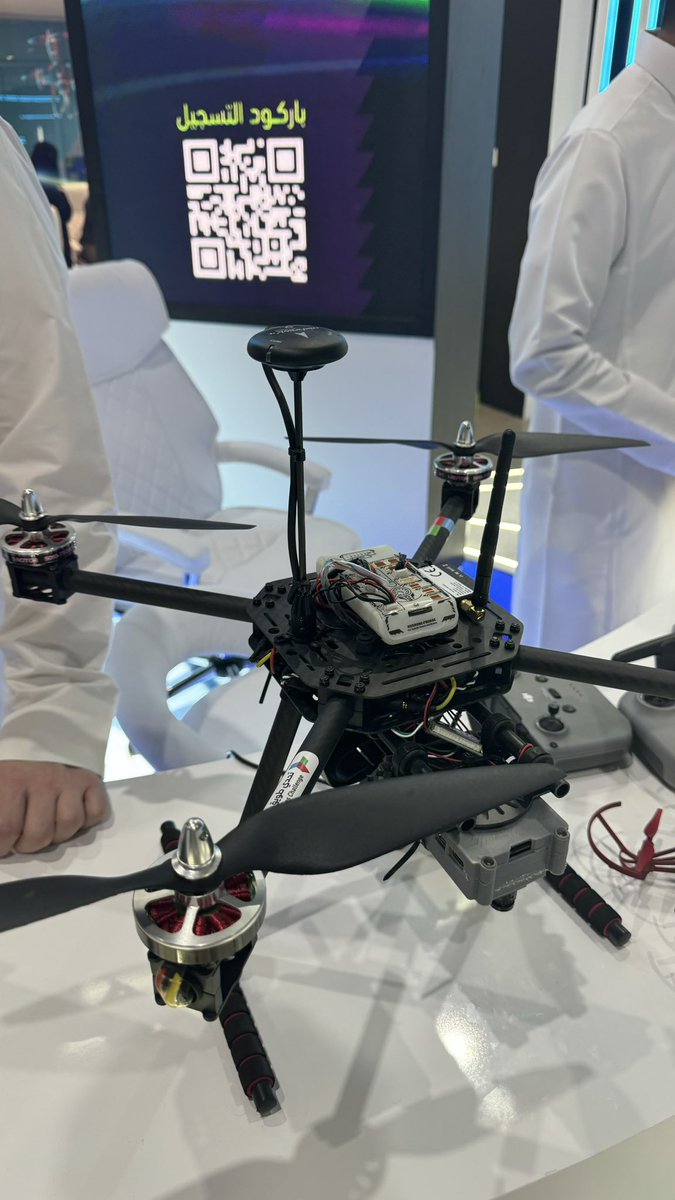
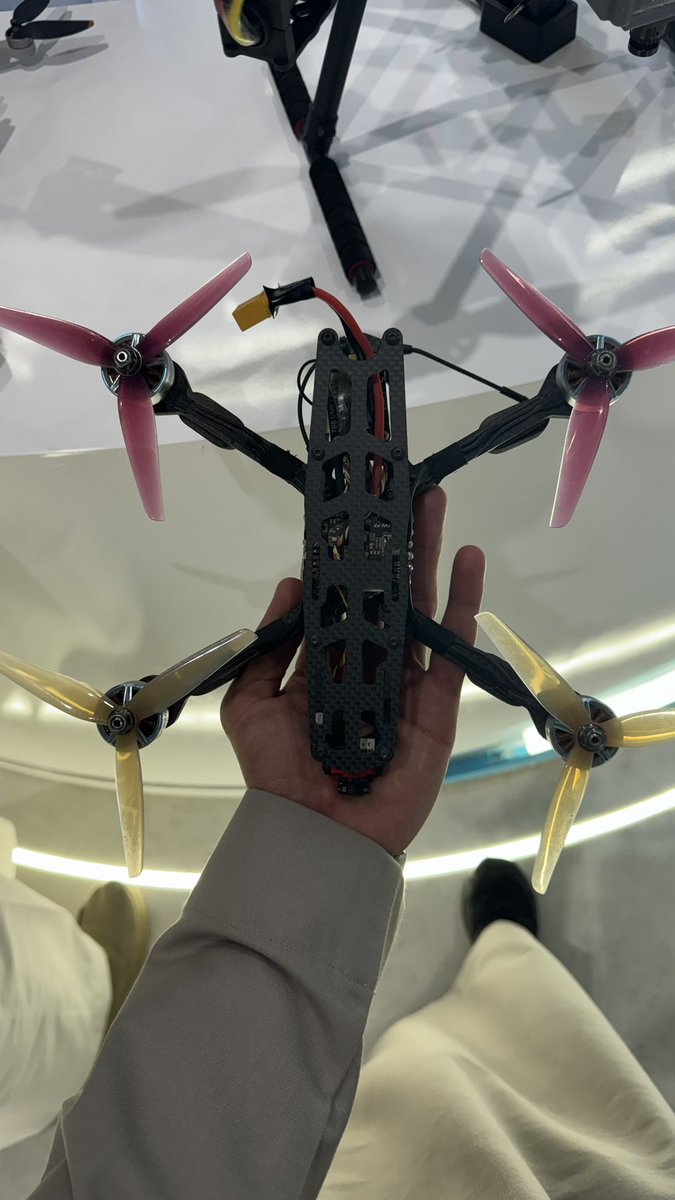
This booth was especially enjoyable because the work was very close to the type of projects I build and follow. I exchanged ideas, received useful advice, and learned about Tuwaiq Academy drone programs.
The drone tracks I noted included:
- Basic drone operation
- Drone programming
- FPV drones
These tracks are useful for beginners who want a structured entry point into drone technology and hands-on practice.
Hardware Art and Digital Fabrication
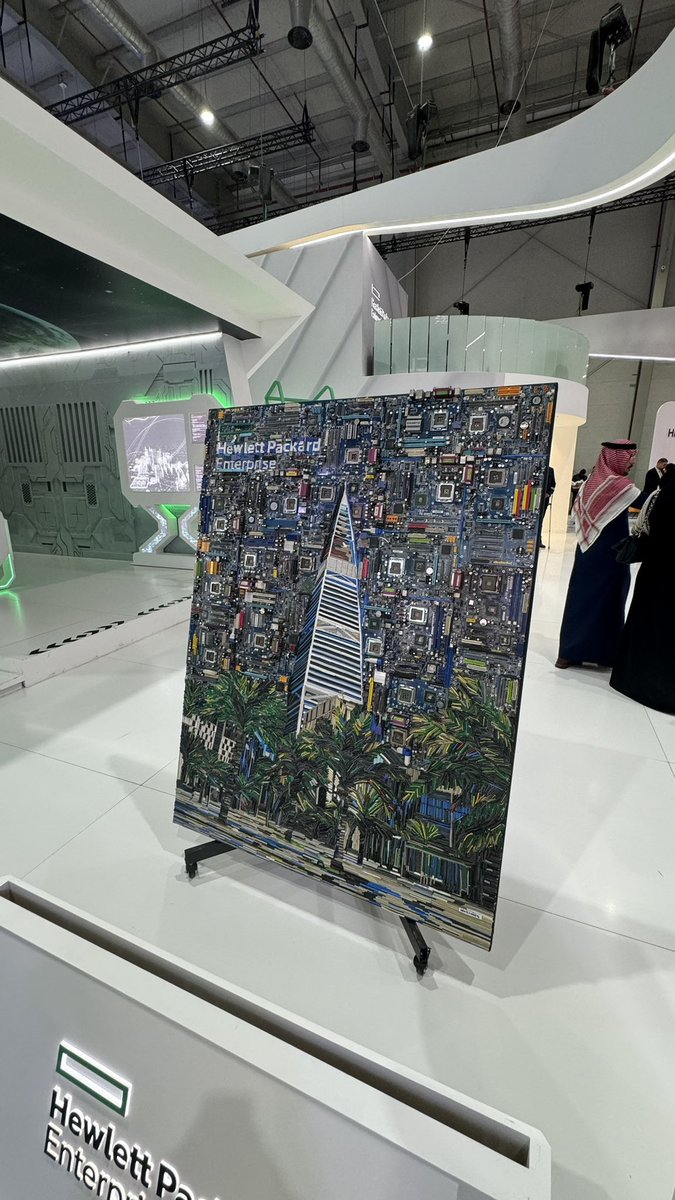
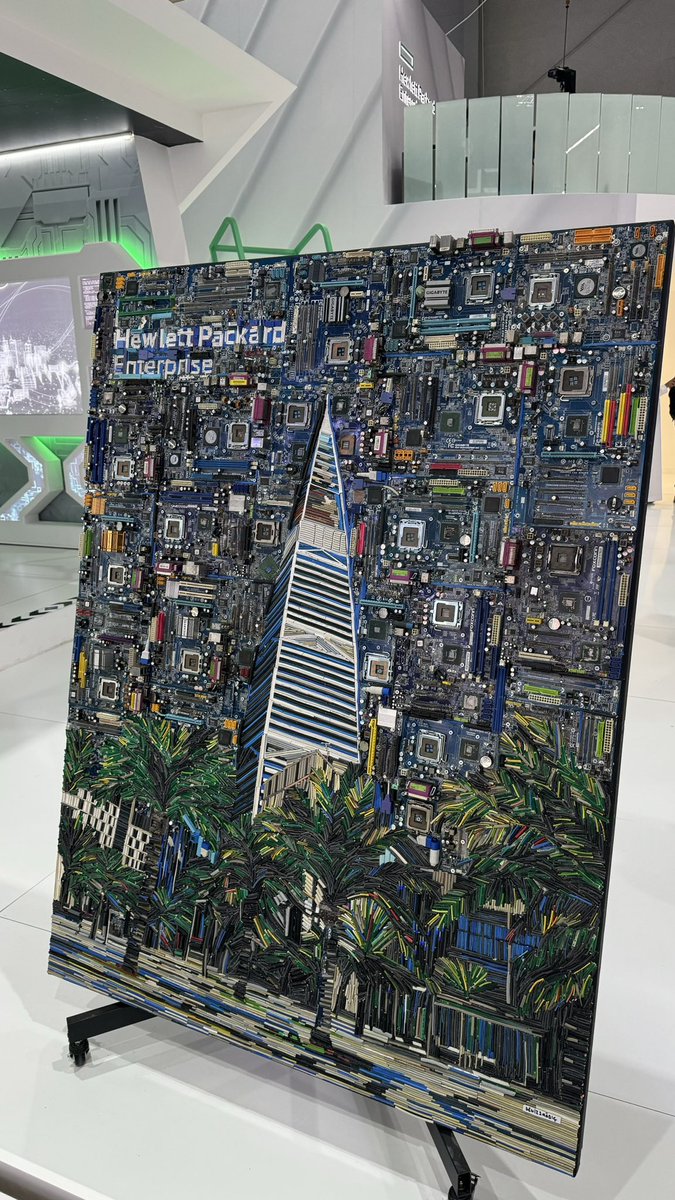
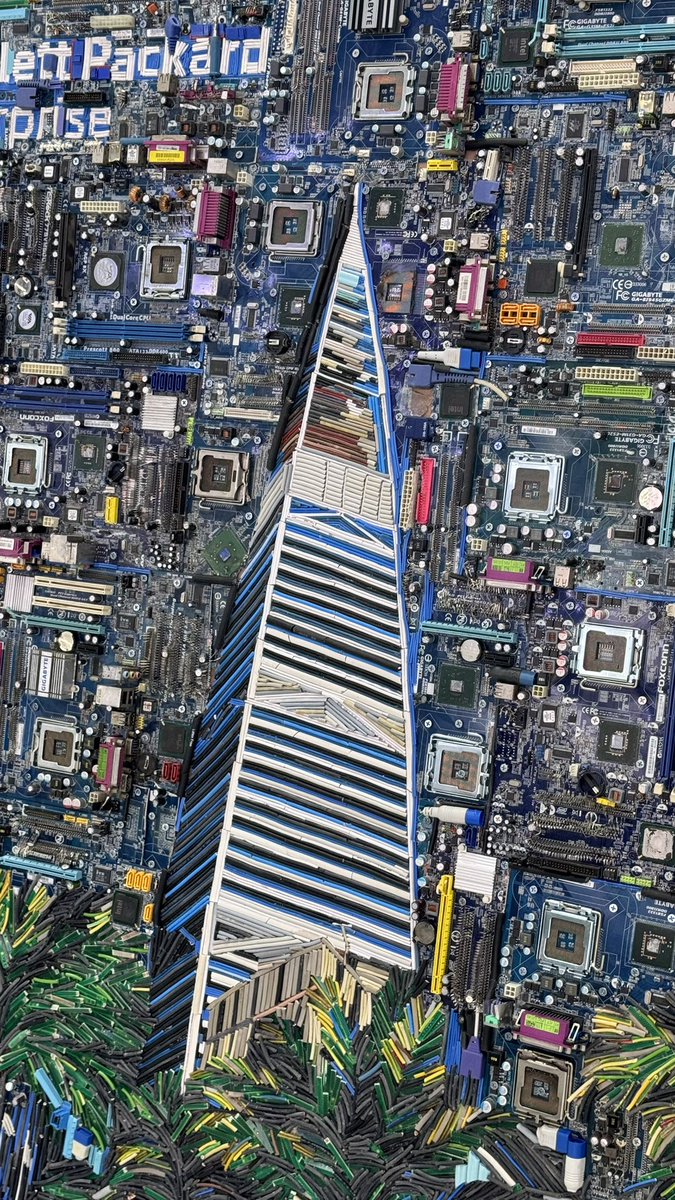
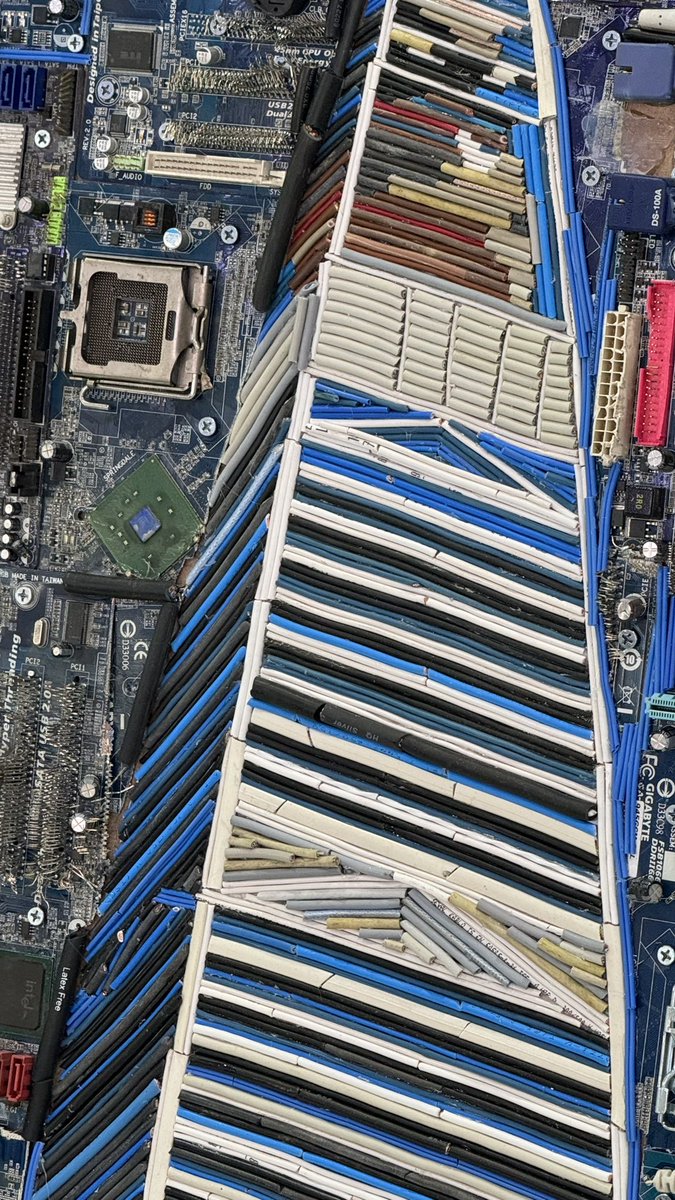
One of the most visually impressive pieces I saw was an artwork made from wires, motherboards, and electronic connectors. The piece represented Al Faisaliah Tower in Riyadh.
It was a creative example of how electronic waste, hardware parts, and technical materials can be transformed into visual art.
Resin Printing and Biological Models
Near the end of the first day, I also came across a resin 3D printing display. What stood out was the quality of the printed biological parts and the level of detail achieved by the printer.
This kind of display shows how additive manufacturing can support medical visualization, prototyping, and educational models.
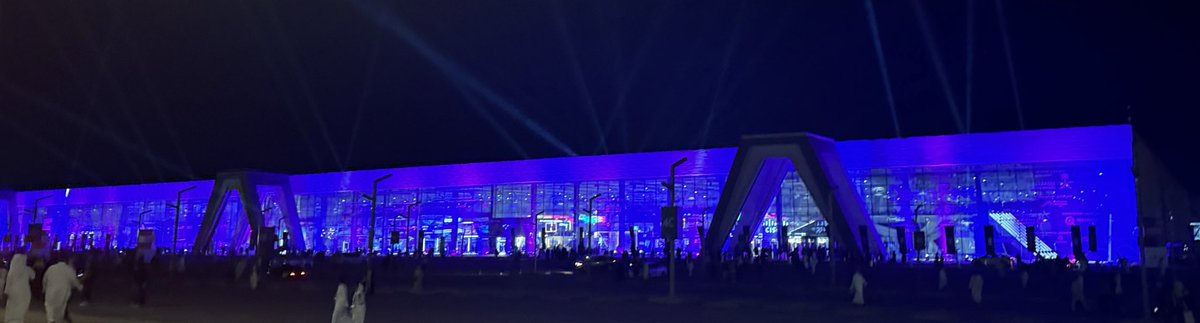
Day 2: Aramco, Field Drones, and Smart City Technologies
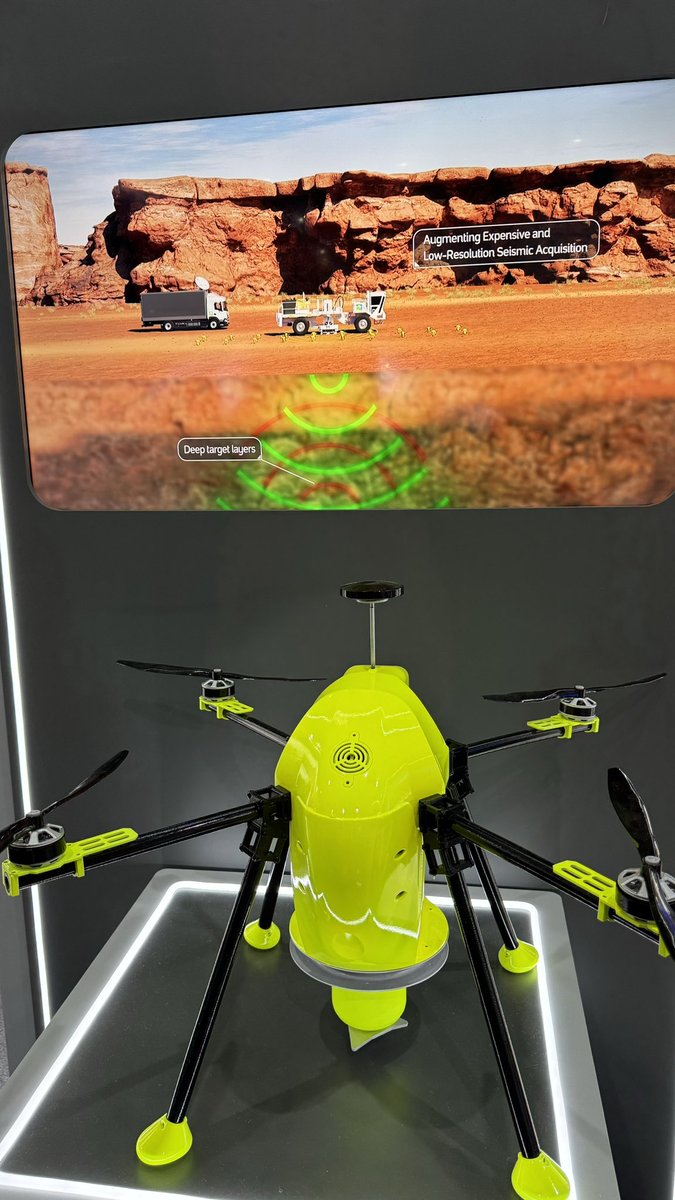
The second day started with the Saudi Aramco booth. The most interesting technical display was a reconnaissance drone designed to support field exploration tasks.
The idea was based on a mobile truck system that generates vibrations in the ground. The drone then lands, measures the vibrations, and transmits the data for analysis. By studying the vibration response, the system can help identify underground structures and support oil exploration workflows.
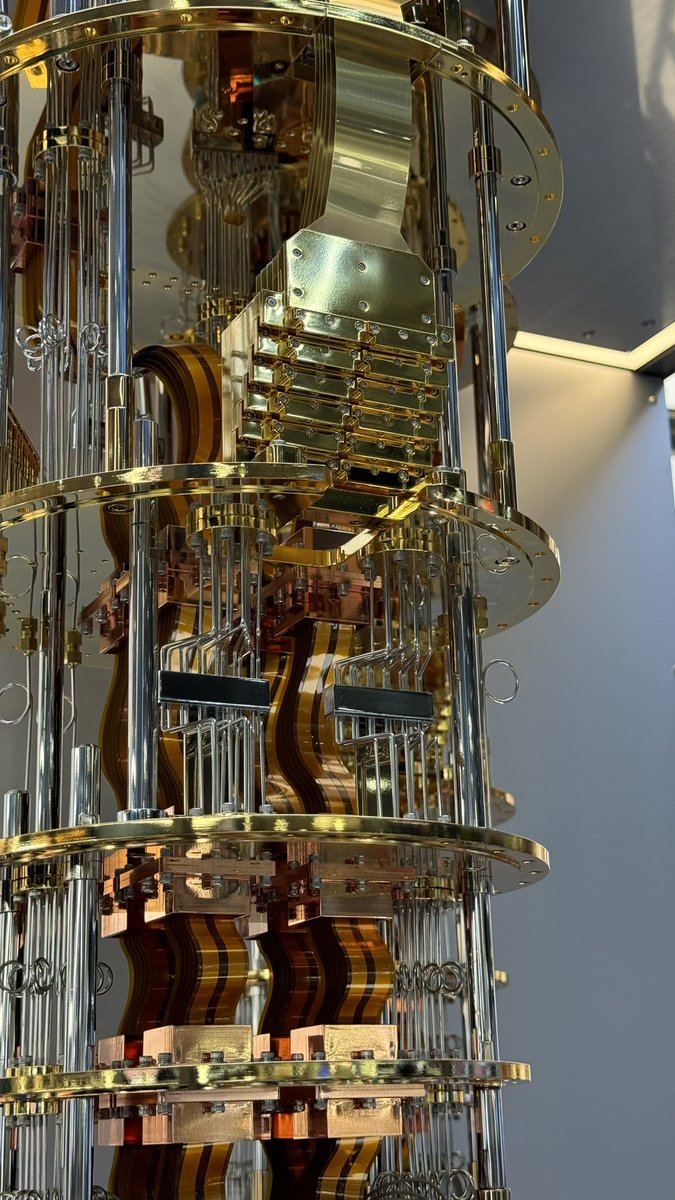
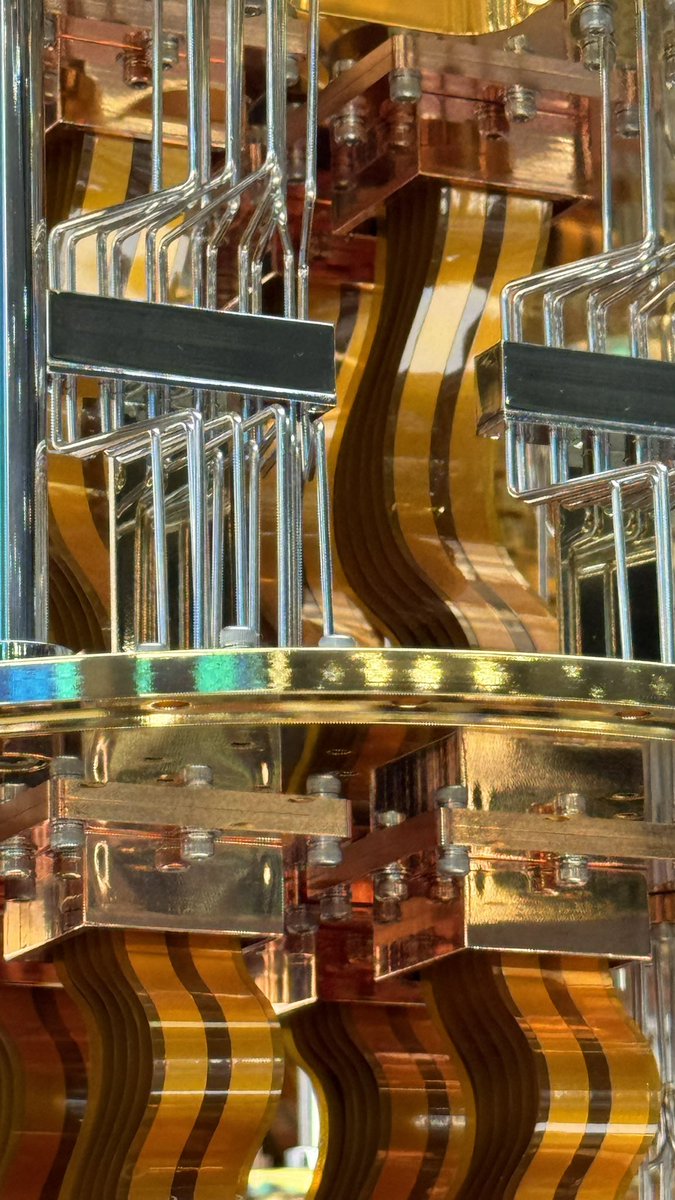
I also saw a quantum computer display. Even without going deeply into technical details, the system itself was visually impressive and interesting to observe.
An Unlabeled Robot That Caught My Attention
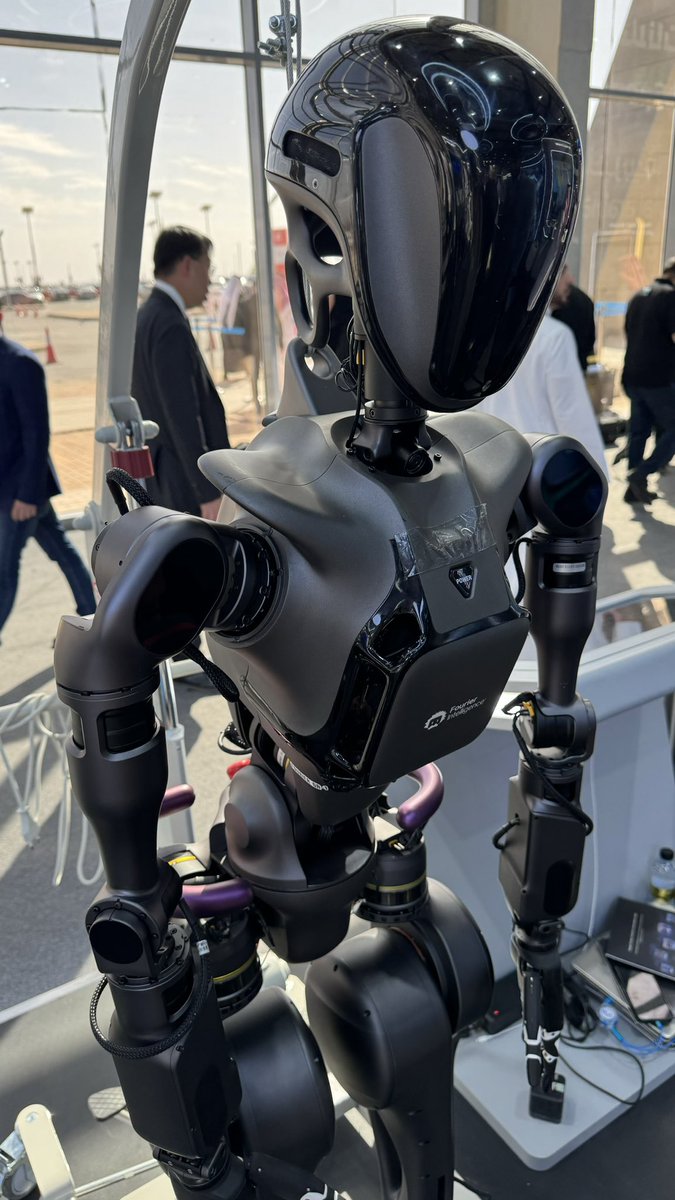
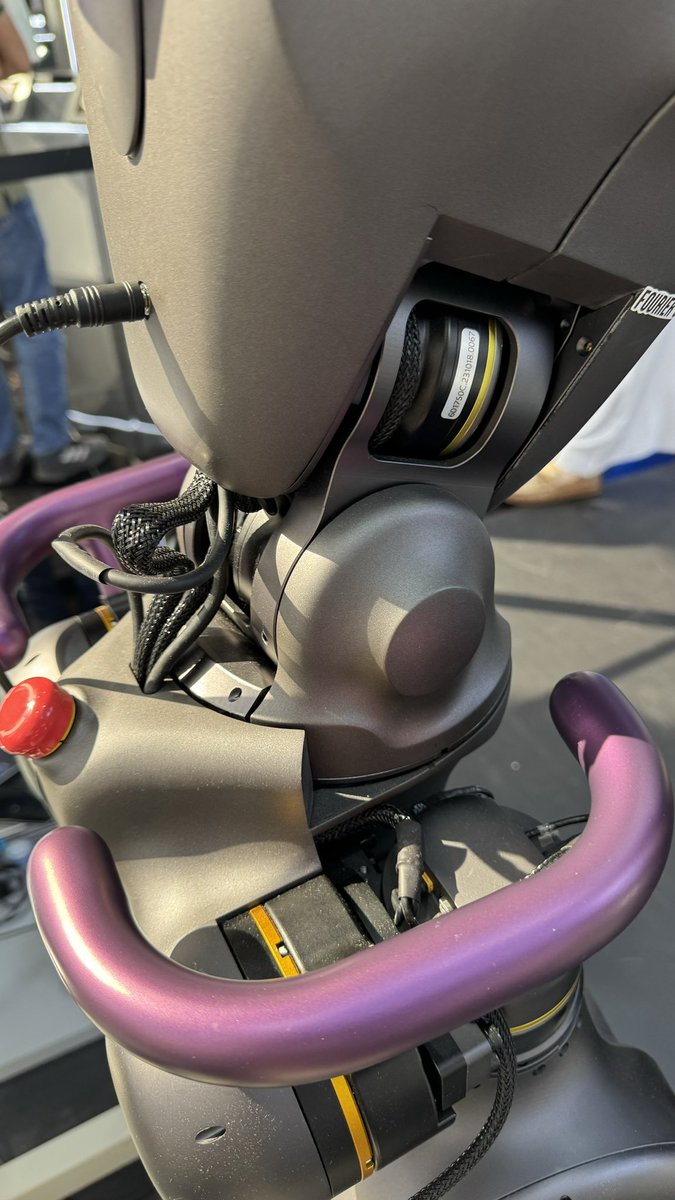
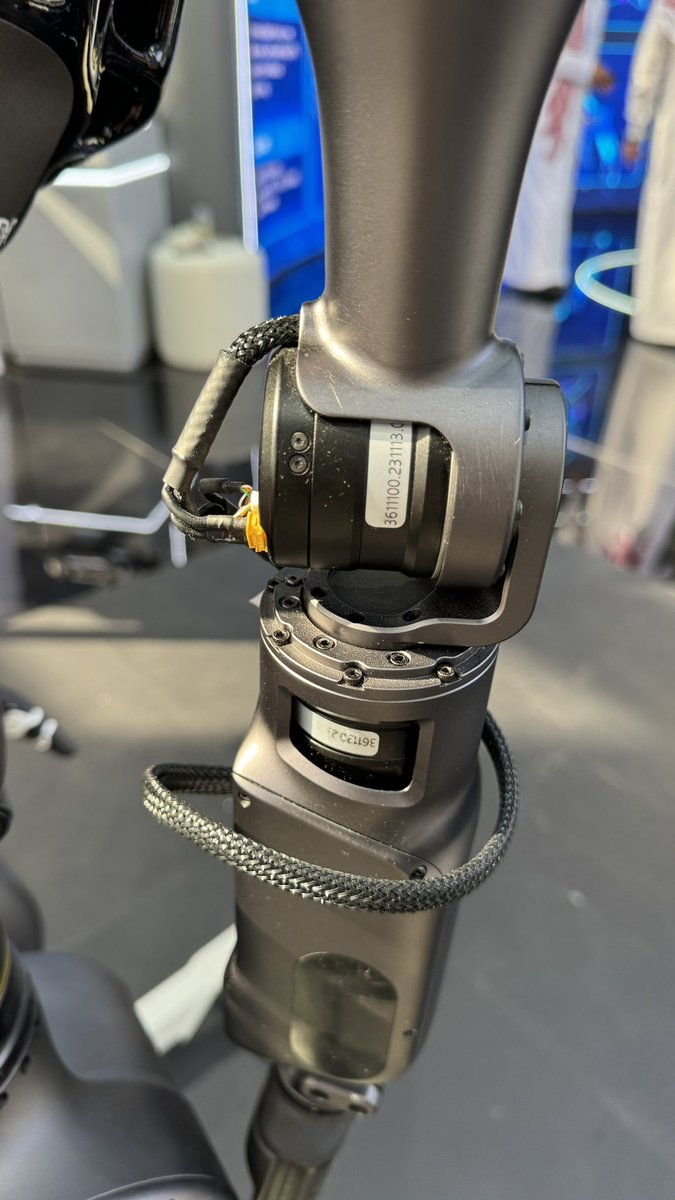
During the second day, I found a robot standing alone without a clear booth, company representative, or explanation nearby.
I could not find enough information about it, but it was interesting enough to document. Sometimes these unexplained prototypes are the kind of things that make a technology event worth exploring carefully.
Emerging Technologies for Smart Cities
I also saw several technologies that are likely to become more common in future smart city environments. These systems may feel impressive today, but with wider adoption they can become part of normal urban infrastructure.
Google Booth and Community Connections
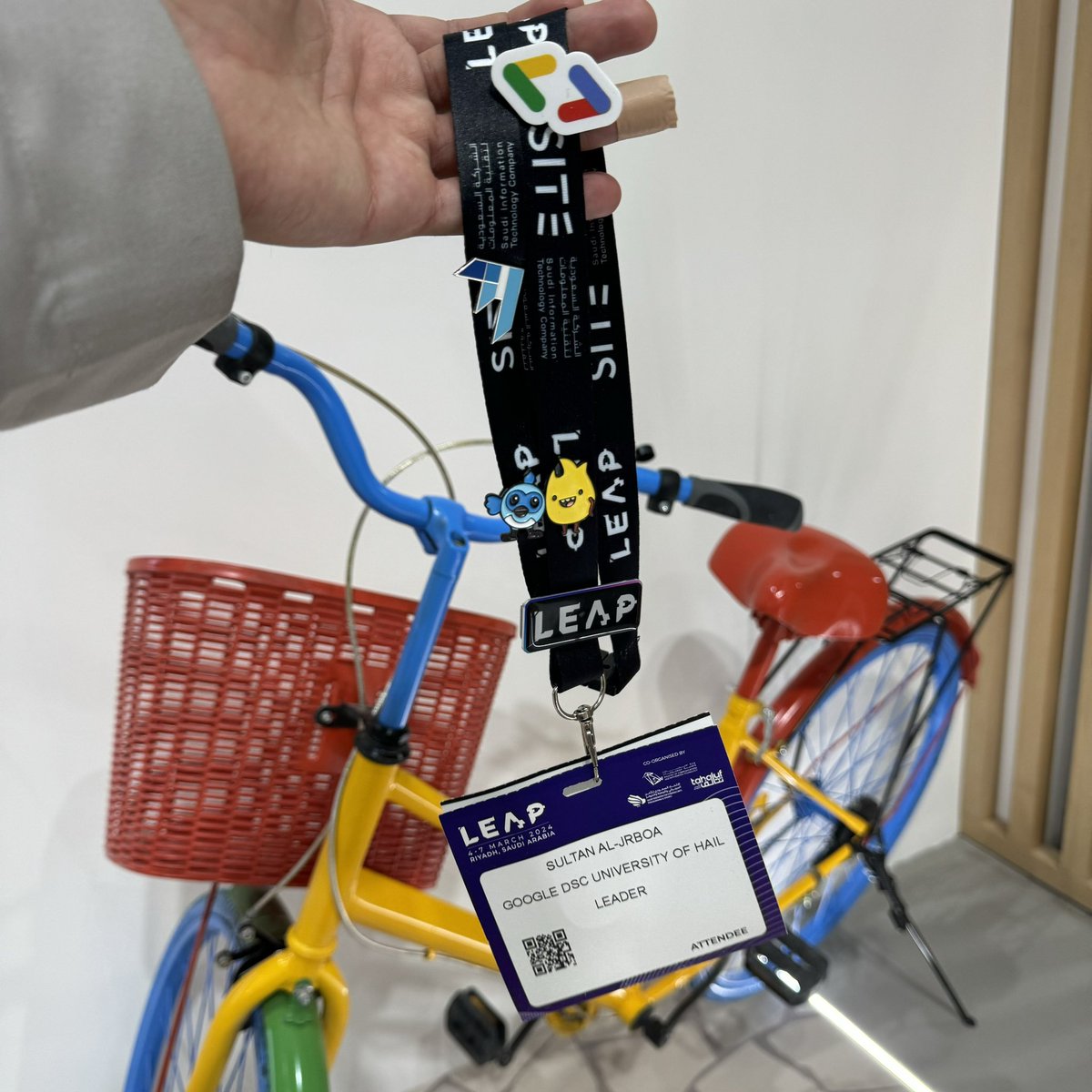
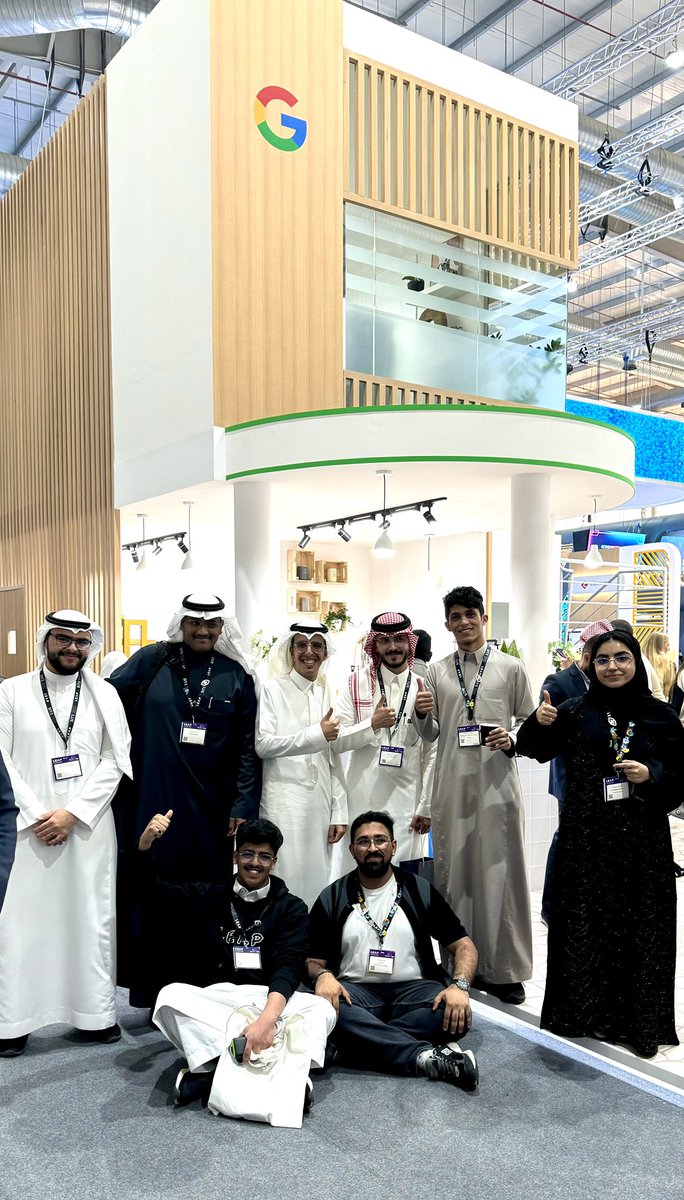
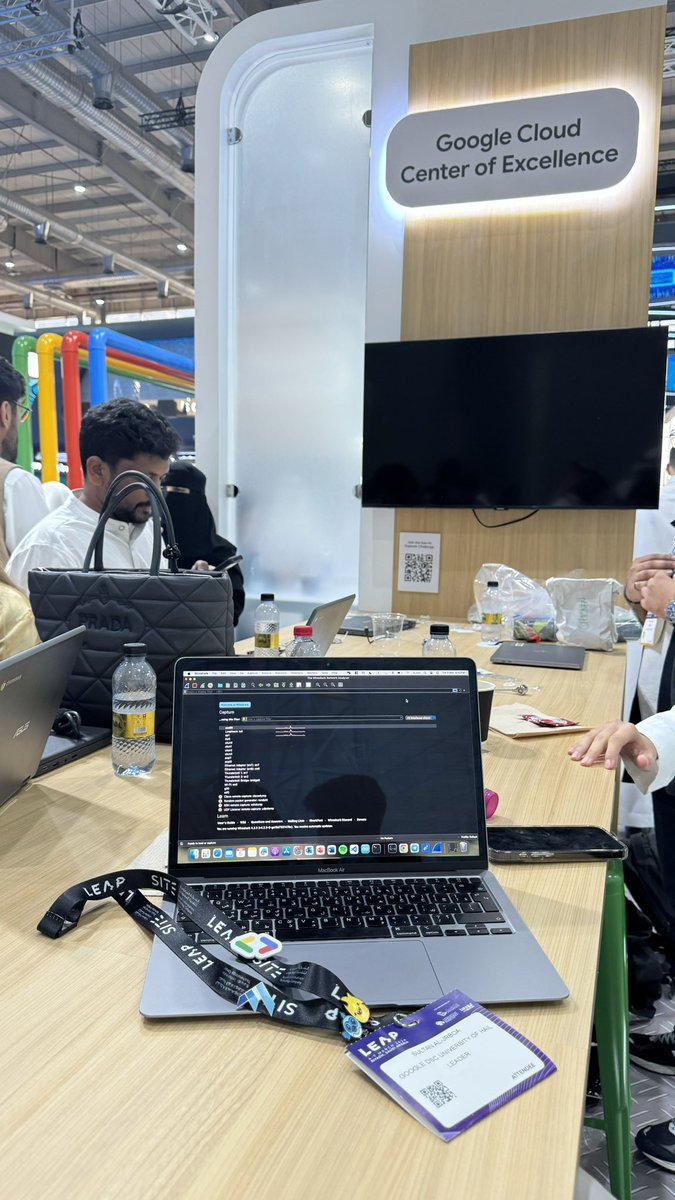
The Google booth was one of the most enjoyable parts of the second day. I visited it with several Google Developer Student Club leaders, met people from the community, introduced ourselves, and spent time exploring the booth.
It was a good reminder that technology events are not only about products. They are also about communities, conversations, and connecting with people who share similar interests.
Day 3: Saudi Drone Systems and Manufacturing Technologies
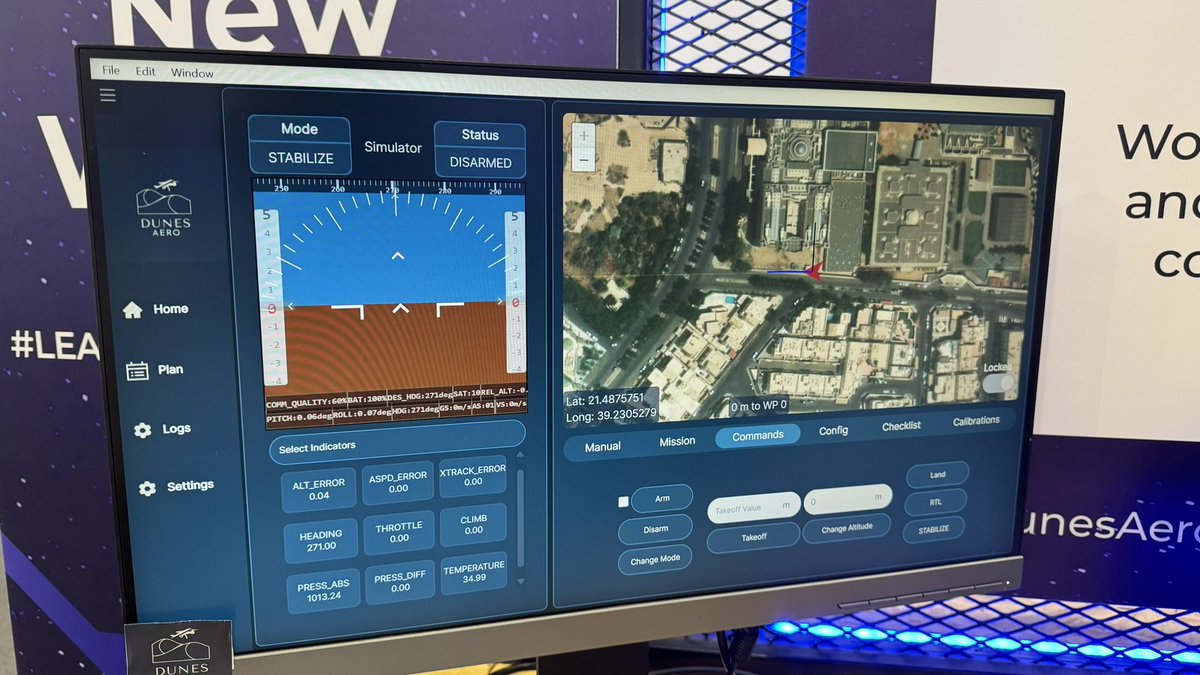
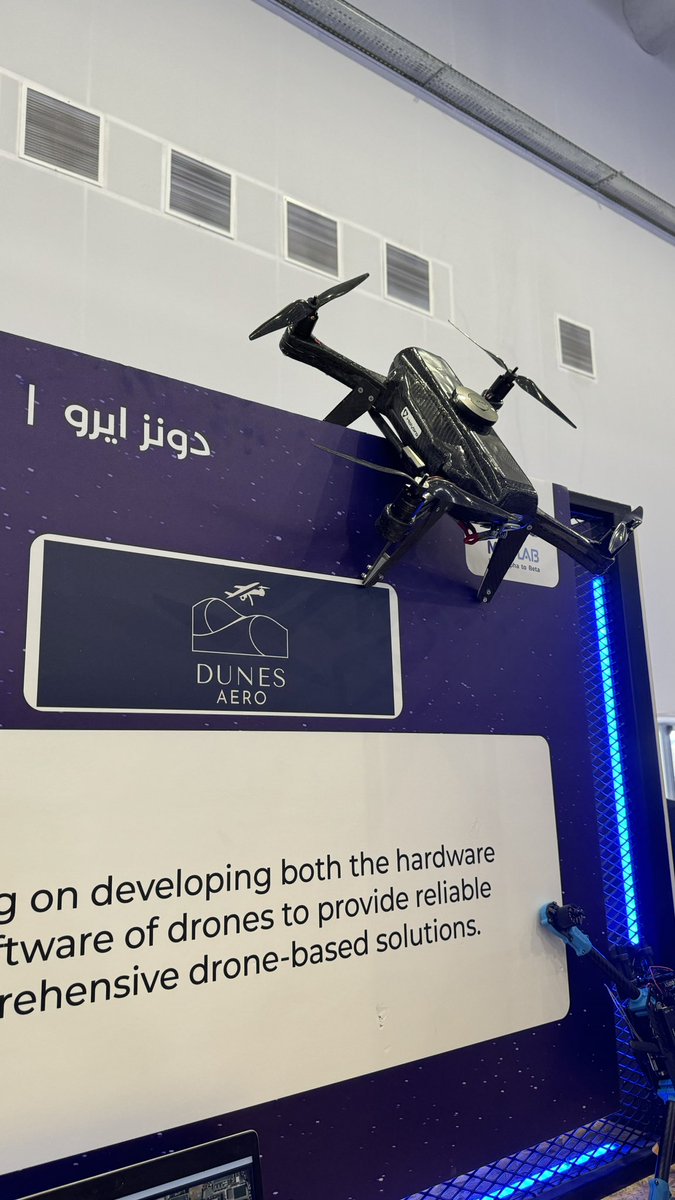
The third day started with Dunes Aero, a Saudi startup focused on drones and drone systems. Their booth presented a locally developed drone system, and it was exciting to see Saudi work in this field moving toward complete technical solutions.
The conversation around their system was one of the highlights of the day, especially because it connected directly with my interest in drone platforms and applied engineering.
ITOR and Manufacturing Technologies
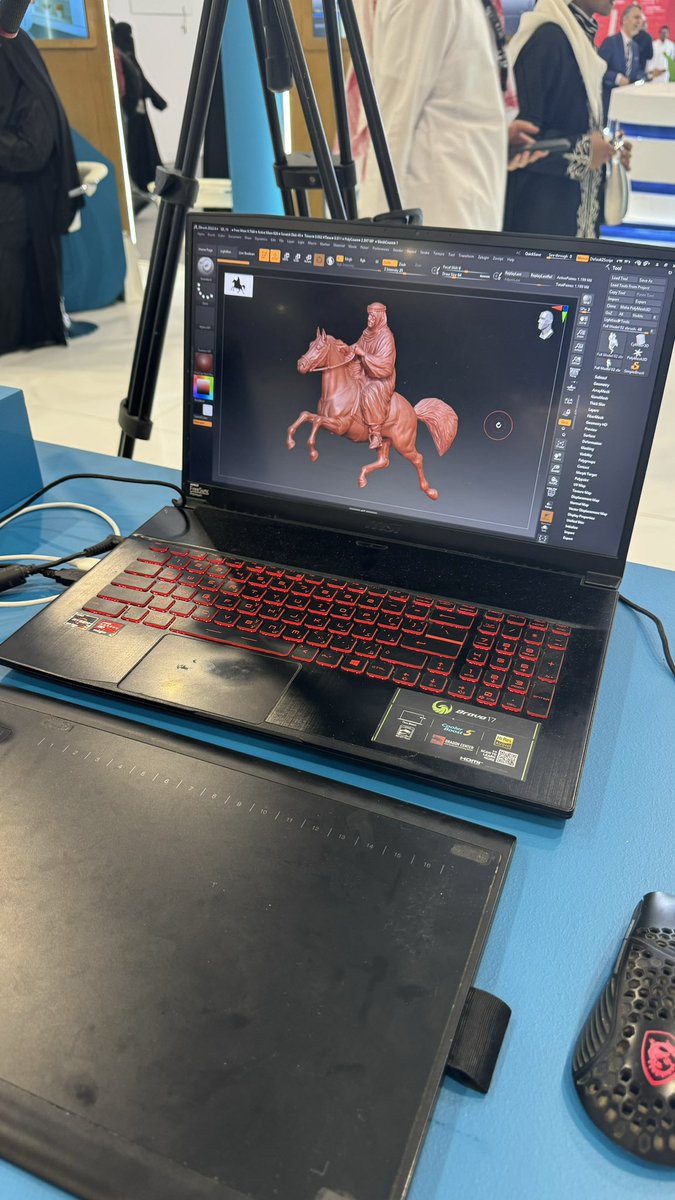
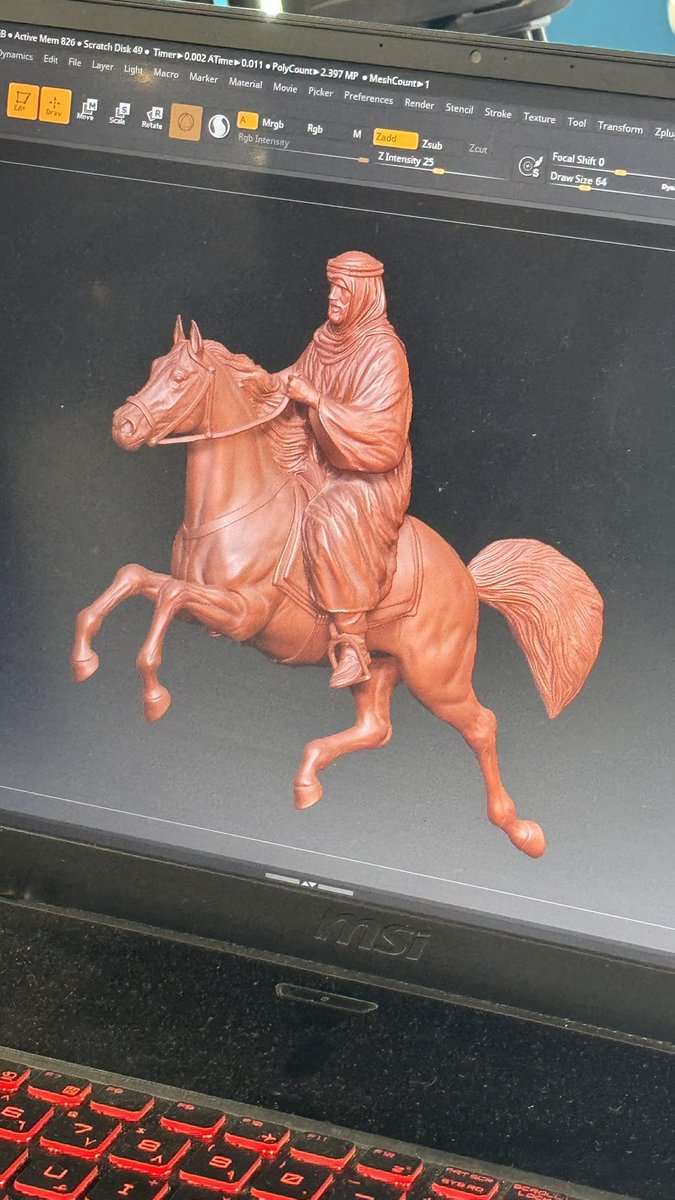
The most enjoyable booth for me on the third day was ITOR. Their work was closely related to manufacturing, prototyping, and applied technical production.
I had a valuable discussion about printing technologies and manufacturing methods. I also met Abdulhadi, a mechatronics engineer who shared useful experience from the field.
This booth stood out because it connected directly with hands-on engineering, fabrication, and the type of practical work I enjoy most.
Saudi Reconnaissance Drone Prototype
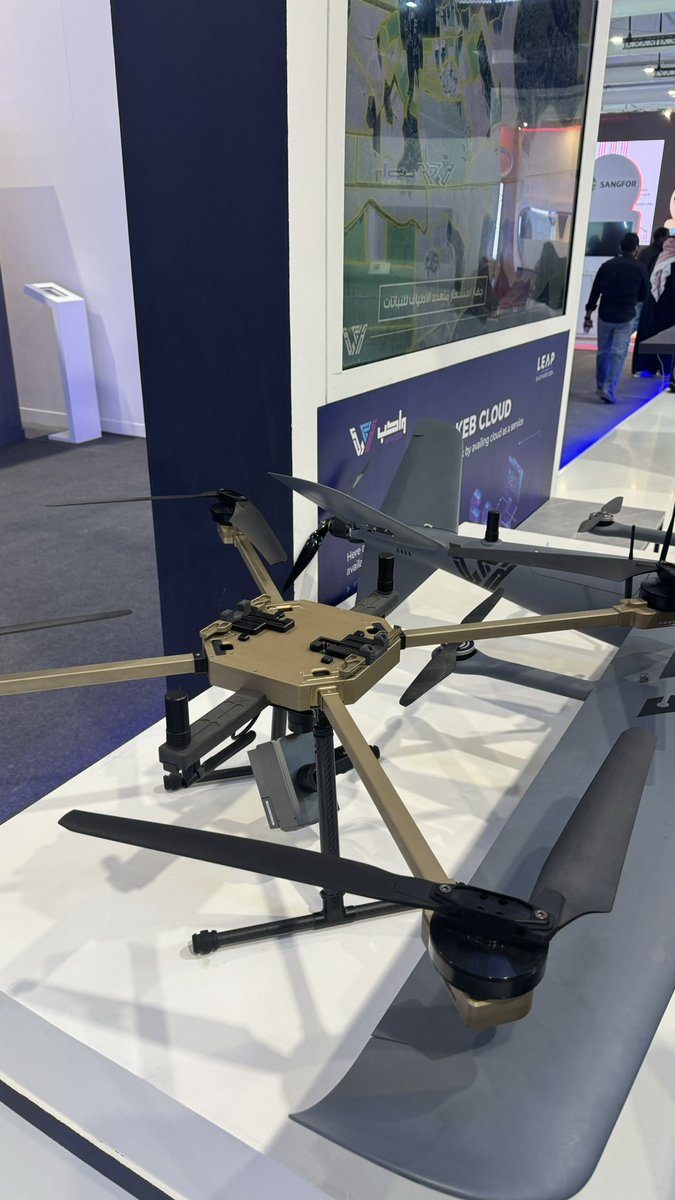
One of the final highlights was a high-level reconnaissance drone manufactured mainly by Saudi hands. Although I did not get a detailed explanation from the booth team, the aircraft itself was interesting enough to study visually.
Seeing this type of platform locally developed is encouraging. Systems like these can support security, monitoring, and data collection use cases, especially when combined with advanced sensors and analytics.
Final Thoughts
LEAP 2024 was full of large-scale technology announcements, but the most interesting parts for me were the physical systems: drones, robots, sensors, manufacturing tools, hardware platforms, and real prototypes.
These are the areas where ideas move from slides into engineering reality. For anyone interested in hardware, IoT, robotics, or emerging technologies, events like this are a valuable way to discover companies, meet people, and understand where the field is moving.